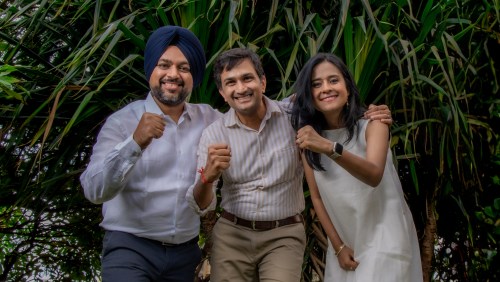
Business News Utsav Raises INR 36 Cr Series A Led by Atomic Capital Utsav raises INR 36 Cr Series A led by Atomic Capital to expand its temple network, technology and digital devotional services. By entepreneur staff
Business News TCS to Acquire Porsche Arm MHP for USD 373 Mn, Signs USD 1.4 Bn Deal TCS will acquire Porsche subsidiary MHP for USD 373 million as part of a $1.4 billion strategic partnership with Porsche. By Entrepreneur Staff
Business News Omega Seiki Mobility Raises INR 50 Cr in Fresh Funding Omega Seiki Mobility raises INR 50 crore in fresh funding to expand manufacturing, R&D, service network and evaluate public listing plans. By Entrepreneur Staff
Business News Weekly Wrap: Navi Leads Funding Surge with USD 100 Mn Raise; Two Tech IPOs Recorded India's startups raised USD 192.5 million across 13 equity rounds during August 14–20, led by Navi's USD 100 million Series C. By Entrepreneur Staff
Business News Godrej Industries Group plans to invest INR 20,000 Cr in Haryana Godrej Industries Group plans INR 20,000 crore investment in Haryana, with around 40,000 jobs expected across real estate and others. By Entrepreneur Staff
Business News Southeast Asia’s EV Startups Raise USD 622 Mn in Equity Funding: Tracxn Southeast Asia’s top 16 EV startups have raised USD 622 milliom, led by Singapore’s Beam, SingAuto and Neuron. By Entrepreneur Staff
Business News Asaya Raises INR 88 Crore in Series A at INR 400 Cr Asaya raises INR 88 crore in Series A funding at a INR 400 crore valuation, with plans to expand products, R&D, geographies and channels. By Entrepreneur Staff
Business News Marketing has enough dashboards. Meet the AI agent that runs your organic growth. Pepper launches Agent Atlas, its most ambitious product yet: the organic growth agent that does the work, not just the reporting By Sharmila Koteyan
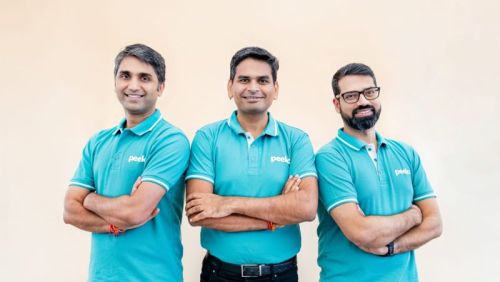
Business News Peeko Raises INR 67.4 Cr in Series A Funding Peeko raises INR 67.4 Cr in Series A funding led by Chiratae Ventures to expand its babycare platform and enter new cities. By Entrepreneur Staff
Business News Goldman Sachs Picks Up Stake in Shiprocket for INR 53 Cr Goldman Sachs acquires a 0.55% stake in Shiprocket for INR 53 crore as the ecommerce platform’s stock jumps 48% on debut. By Entrepreneur Staff
Business News Gaja Capital Raises INR 165 Cr Ahead of IPO Gaja Capital raises INR 165 crore from anchor investors ahead of its Rs 550-crore IPO, set to open on August 19. By Entrepreneur Staff
Business News Navi Raises USD 100 Million from Prosus Navi raises USD 100 million from Prosus in its first institutional fundraise, marking a key growth milestone. By Entreprenuer Staff
Business News Nikhil Kamath, Sreeram Reddy Vanga Invest INR 250 Cr in CtrlS Datacenters CtrlS Datacenters raises INR 250 crore from Nikhil Kamath and Sreeram Reddy Vanga to expand its data centre network. By Entrepreneur Staff
Business News Butterfly Learnings Raises INR 65 Cr in Pre-Series B Round Butterfly Learnings raises INR 65 Cr in Pre-Series B round led by Inflexor Ventures to expand centres and AI capabilities. By Entrepreneur Staff
Business News Peak XV Partners, Together Fund Join Wispr Flow’s Cap Table Wispr Flow raises USD 280 Mn at a USD 2 Bn valuation, with Peak XV, Together Fund and Activate joining its investor base. By Entrepreneur Staff
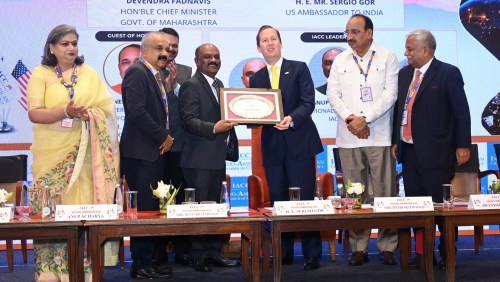
Business News India-US Ties at Key Moment as Investment Surges to USD 240 Bn India-US bilateral investment reaches USD 240 billion as IACC convention focuses on trade, technology and strategic cooperation. By Entrepreneur Staff
Business News Neev II Fund, Aavishkaar Capital Invest USD 20 Mn in NeoGeo NeoGeo Raises USD 20 Mn in Series A Led by Neev II Fund, Aavishkaar Capital for Global Expansion. By Entrepreneur Staff
Business News Tata Capital Healthcare Fund Leads USD 30 Mn Investment Tata Capital Healthcare Fund III, Blue Earth Capital Invest USD 30 Mn in Tenet Diagnostics for Expansion. By Entrepreneur Staff
Business News Rezolv Raises USD 12.5 Mn in Series A Funding Led by Norwest Rezolv raises USD 12.5 million in Series A led by Norwest to expand its AI lending platform and enter global markets. By Entrepreneur Staff
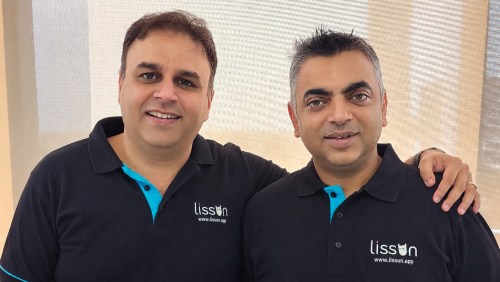
Business News Lissun Raises INR 48 Cr in Series A Funding Led by Colossa Ventures Lissun raises INR 48 crore in Series A funding led by Colossa Ventures to expand child development centres and AI-led healthcare solutions. By Entreprenuer Staff
Business News Atomberg Gets Board Nod for INR 450 Cr IPO Atomberg gets approval for a INR 450 crore IPO and INR 90 crore pre-IPO placement as it moves toward listing. By Entrepreneur Staff
Business News Alphabet’s SpaceX Investment Grows Hits USD 94 Bn Alphabet’s SpaceX investment has surged more than 100-fold over a decade, with its stake valued at USD 94.2 billion. By Entreprenuer Staff
Business News Weekly Wrap: Jio Credit Leads Funding Surge with USD 1.91 Bn Raise; Two Tech IPOs Recorded India’s startups raised USD 2.03 billion across 11 equity rounds during August 7–13, led by Jio Credit’s USD 1.91 billion Series D. By Entrepreneur Staff
Business News Scrubsy Raises INR 27 Crore in V3 Ventures-led Seed Funding Scrubsy raised INR 27 crore in seed funding led by V3 Ventures to expand its home cleaning product range across India. By Entrepreneur Staff
Business News Anicut Capital Leads INR 55 Cr Follow-On Round in Unico Housing Finance Unico Housing Finance has raised INR 55 crore to expand its affordable housing finance business while maintaining a focus on asset quality and profitability. By Entrepreneur Staff
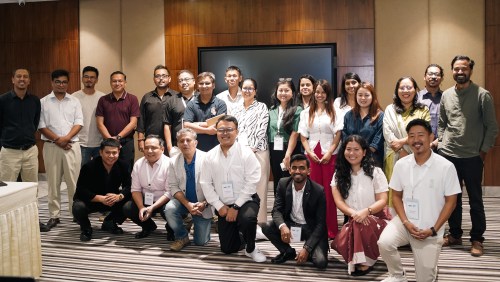
Business News IIMA Ventures, SAP Select 25 Startups for Second Northeast Growth Lab Cohort IIMA Ventures and SAP India launch the second Northeast Growth Lab cohort, supporting 25 startups. By Entreprenuer Staff
Business News Astrotalk Becomes Unicorn at USD 1 Bn Valuation Through ESOP Buyback Astrotalk has entered the unicorn club at a valuation of USD 1 billion through an employee stock ownership plan. By Entrepreneur Staff