For companies navigating disruption, this is not a minor operational issue. It is a leadership issue, and it often shows up most clearly in the middle of the organization.
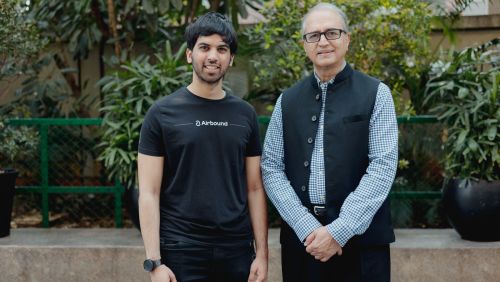
Leading core engineering at Pump, Bhartia reflects on how disciplined thinking and technical judgment keep products growing long after their first launch.
Vineyard India Compassion Trust is transforming rural communities through education, creating long-term opportunities, stronger livelihoods, and generational change.
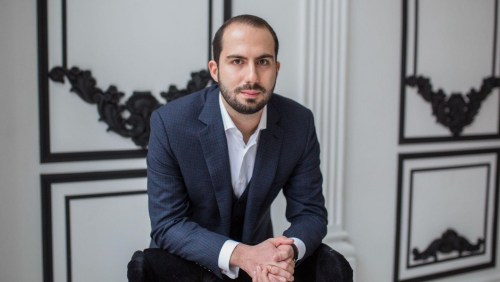
For one project leader, a key turning point came when he moved from consulting into a new market with limited data, uncertainty, and little room for error.
Dr. Dmitry Chebanov, molecular biologist and scientific lead of Holivita — an AI-driven health intelligence platform focused on structuring personal medical data — about prevention, digital twins, and why understanding matters more than tracking.
When AI is implemented in ways that feel transparent, supportive and aligned with human decision-making, it does not replace people. It removes friction that has quietly limited growth for years.
From drone-led healthcare logistics to AI-optimised urban transport, a new class of deep-tech startups is emerging to tackle structural inefficiencies.
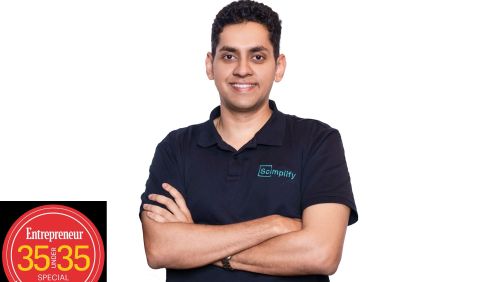
Now the Co-Founder of Scimplify, Sachin represents a new generation of founders tackling industrial and deep-tech challenges with scale, discipline, and global ambition.
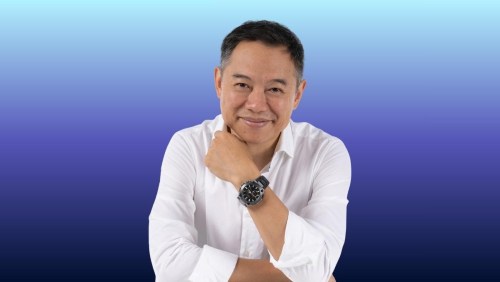
Jeremy Tang is globally recognized for bringing technical depth to modern marketing, building scalable systems with a founder’s instinct for speed and scale.
This represents a near threefold increase in funding share in just five years, even as overall VC deployment remained broadly stable at around USD 10 billion annually in 2024 and 2025.
These transactions, arriving as India hosts industry convenings and promotes the IndiaAI Mission, reflect both investor conviction and strategic positioning in a capital-intensive segment historically dominated by global hyperscalers.
According to the announcement, the fund, to be carried by Qualcomm Ventures, the company’s global investment arm, will support startups at all growth stages.
The India AI Impact Summit 2026 concluded another day of landmark announcements, important investment pledges, and strategic global collaborations that signal India’s accelerating rise as a strategic hub for artificial intelligence.
Resume examples from 2026 will look dramatically different from those from ten or even five years ago; learning to adapt is crucial for prospective employees.
For Misbah Ashraf, co-founder of fintech platform Jar, becoming an entrepreneur was never about a fashionable career choice. It was a necessity born out of survival.