Unlocking Young Minds: How This App Supercharges Learning and Focus
What if there was a way to unlock your child’s potential? To supercharge their learning and focus in ways that last for years?
Opinions expressed by Entrepreneur contributors are their own.
You're reading Entrepreneur India, an international franchise of Entrepreneur Media.
Kids can’t focus anymore. That’s what every parent is thinking these days. The numbers back it up, too. Average attention spans have dropped by over 70%—from 150 seconds in 2004 to just 47 seconds today, according to research led by Dr. Gloria Mark at UC Irvine.
Meanwhile, kids are struggling more in school across developed countries, with academic performance in reading, math, and science declining by nearly a full year of learning, per PISA data.
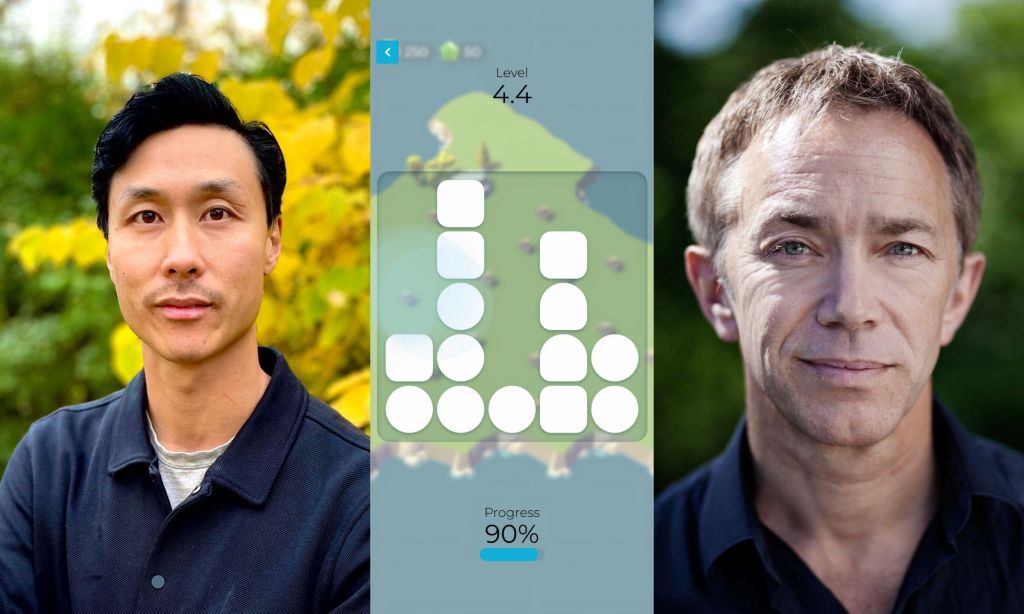
But what if there was a way to unlock your child’s potential? To supercharge their learning and focus in ways that last for years? For Hoa Ly, this possibility isn’t just a hope. It’s science.
Ly grew up knowing what opportunity looked like. His parents came to Sweden as immigrants. Their sacrifice gave him access to education and a future he might never have had otherwise.
Now he’s a father of three. And like millions of other parents, he’s watching his kids grow up in a world where focus feels impossible.
Unlocking the Brain’s Hidden Potential
Here’s what Ly realized as a clinical psychologist and digital health expert: kids aren’t missing information. They’re missing the brain power to use it. Working memory is like your brain’s command center. It holds information while you use it.
It’s what helps you follow directions, solve problems, and stay focused on tasks. Working memory capacity accounts for up to 60% of the variation in academic performance across school subjects, often a stronger predictor of success than IQ.
And here’s the exciting part: it’s trainable. You can supercreate it, and that’s where Professor Torkel Klingberg comes in.
Meeting a Brain Science Legend
Klingberg, a neuroscientist at the Karolinska Institute and member of the Nobel Assembly, has studied how kids’ brains work for over 25 years. When Ly met him, everything clicked.
“I was blown away by the evidence,” Ly says. Klingberg had spent decades proving that you could train working memory, creating lasting changes that show up years later. He designed the intervention now available through Nuroe, explaining it could be “the key to unlock widespread educational gains in STEM subjects.”
Until recently, this training was only available to universities and clinics. Now, it’s accessible to families through the Nuroe brain training app.
The Research That Unlocks Everything
Here’s the part that gets parents excited. A landmark study published in the Journal of Political Economy, edited by Nobel Prize winner James Heckman, followed 572 first-grade children in Mainz, Germany.
The training group, 279 kids aged 6–7, completed a 12-hour working memory training program using Nuroe’s software (named Cogmed in the study) over five weeks, 30 minutes per day.
The results? Children who trained showed a 20–25% improvement in working memory, IQ, and self-control, comparable to a full year of math instruction. They not only improved their cognitive and academic skills, but were 50% more likely to be admitted to academically advanced secondary schools — paving the way for higher university degrees and professional attainment.
“This isn’t just research-based,” Ly says. “It’s research-published. The exact training we use has been studied in over 120 papers by universities around the world.”

Real Kids, Real Results
The stories from families using Nuroe show what the research means. One teenager said, “Nuroe has helped me strengthen my focus to the point where I can resist addictive apps, which I feel spreads a lot of negativity.” His friends wanted to quit too, but they couldn’t. They felt stuck.
That’s the difference working memory makes. It’s not about willpower. It’s about having the mental strength to choose where you put your attention.
Ly uses the training himself. As a CEO and father of three, he says, “Nuroe brain training app helps me keep up with an intense life and prevents me from dropping the ball.”
Simple But Powerful
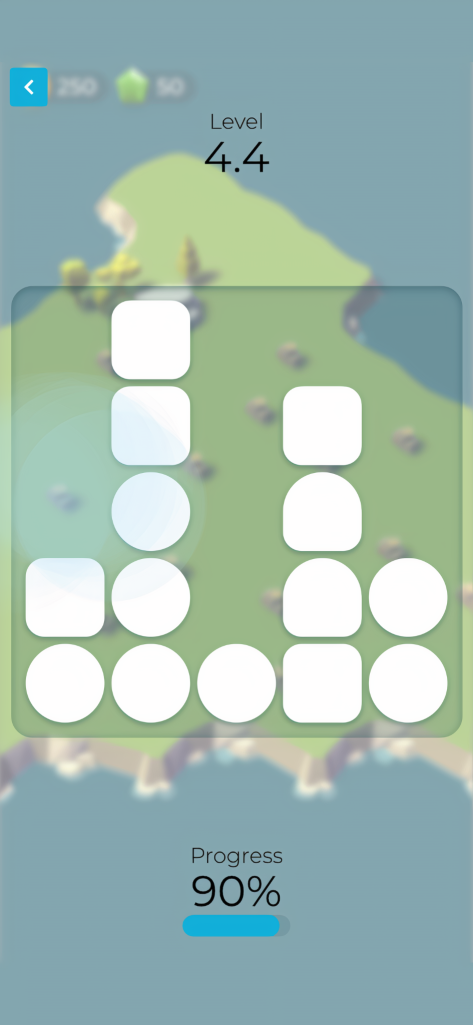
The Nuroe brain training app is straightforward, with 40 training sessions, about 15–20 minutes each, totaling roughly 12 hours over 8–10 weeks. The exercises adapt to each child’s level, designed for kids aged 6–18, targeting the brain’s most flexible learning period.
Unlike typical brain training apps, Nuroe is centered entirely on working memory, validated by over 120 peer-reviewed studies. Most brain training companies claim to be “research-based.” Nuroe is research-published.
Why This Matters Now
Unlike other interventions that might show temporary gains, this research demonstrates long-term academic benefits, changing life trajectories. As AI becomes more common, the ability to focus, learn, and adapt becomes even more valuable.
“That 12 hours of anything, in this case working memory training, can result in such substantial upskilling of students offers enormous Return On Investment,” says Álvaro Fernández, a neuroscience market expert and Nuroe investor.
Ly brings his track record, too. He successfully built and sold a mental health startup to Kry, one of Europe’s biggest telehealth companies. He wrote the first thesis in the world on smartphone-based mental health treatment. Both founders share one belief: rigorous science should be available to everyone, not just researchers.

The Bigger Picture
Here’s what they’re trying to do. They want working memory training to become as normal as teaching kids to read or do math. “We’re not just selling an app,” Ly explains. “We’re offering mental training equipment to empower a movement.” In their vision, kids won’t just consume educational content. They’ll have the cognitive tools to learn from it.
For Parents Right Now
If you’re a parent dealing with homework battles and attention struggles, Nuroe offers something concrete. The app includes a two-week free trial, available on the App Store and Google Play. Both parents and kids can use it, and many families train together. The research suggests this isn’t about quick fixes. It’s about building cognitive strength that lasts.
For Ly, whose parents gave him a chance at a better future, this work feels like completing a circle. Now he’s helping create opportunities for other kids. One strengthened working memory at a time.
Kids can’t focus anymore. That’s what every parent is thinking these days. The numbers back it up, too. Average attention spans have dropped by over 70%—from 150 seconds in 2004 to just 47 seconds today, according to research led by Dr. Gloria Mark at UC Irvine.
Meanwhile, kids are struggling more in school across developed countries, with academic performance in reading, math, and science declining by nearly a full year of learning, per PISA data.
But what if there was a way to unlock your child’s potential? To supercharge their learning and focus in ways that last for years? For Hoa Ly, this possibility isn’t just a hope. It’s science.
Focuses on infrastructure, logistics, and the business implications of India's urban expansion.