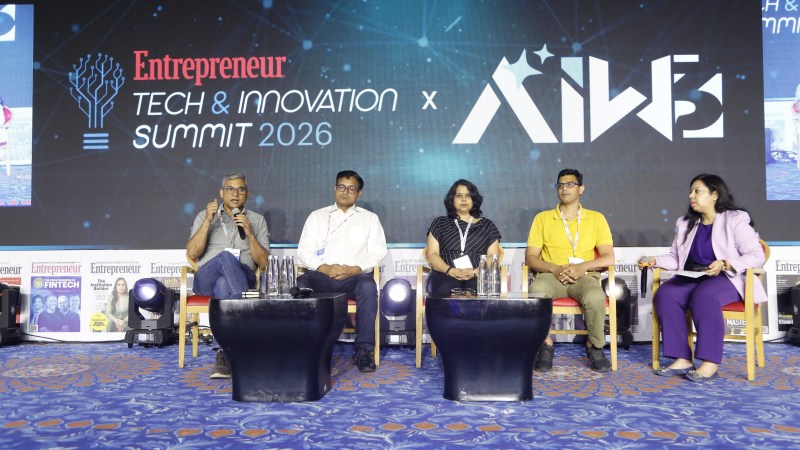
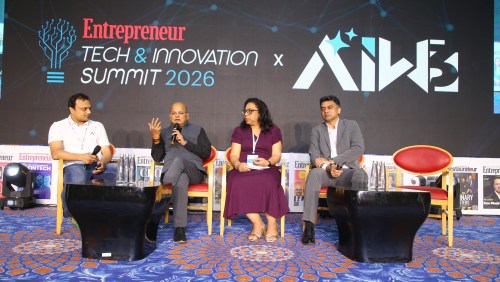
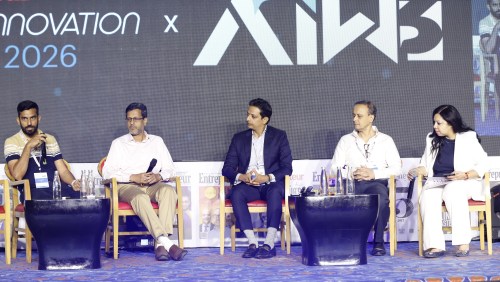
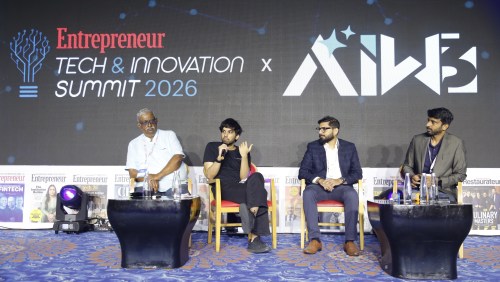
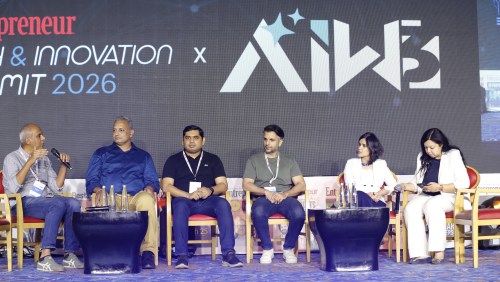
The discussion ultimately underscored a larger reality about Indian agritech: innovation succeeds only when technology adapts to the farmer, not the other way around.
DomusX unveils a regulated Security Token Offering (STO) backed by German commercial real estate, providing investors with unprecedented portfolio flexibility.
The opportunity lies less in backing pure-play AI startups and more in enabling the broader ecosystem, tools, infrastructure, and applied use cases that will define India’s AI trajectory.
India’s education system doesn’t just need smarter tools, it needs better teachers, stronger industry alignment, and a fundamental shift from passive learning to active creation.
India’s rise offers a counter-narrative: a bottom-up, mobile-first, youth-powered ecosystem that could redefine what inclusive esports looks like globally.
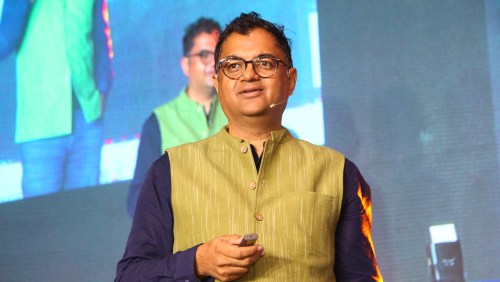
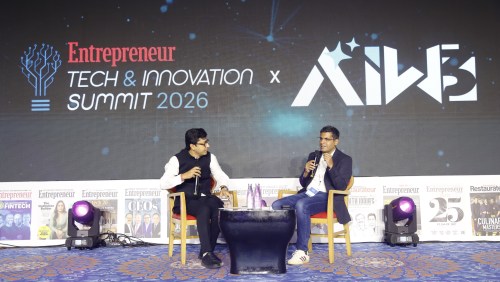
At the Entrepreneur India Tech & Innovation Summit 2026, Umakant Soni delivered a keynote that offered a reality check surrounding artificial intelligence and an expansive vision for the future of AI-led societies.
As distributed systems, collaborative platforms, and AI-driven environments continue to evolve, that question is likely to define the next wave of innovation.
The conversation around “Fintech 3.0” quickly moved past buzzwords into something more grounded: how AI is actually reshaping financial services in real time, and where it still falls short.
With global supply chains actively seeking alternatives to China, Indian startups have a strategic opening to dominate critical subsystems, from sensors to autopilots.
The announcement of a partnership between Adani, Google, and Airtel to build a cutting-edge AI hub in Vizag is a statement of intent to decentralize India’s tech economy and seed new centers of innovation
The advice to founders was consistent and unsentimental: commit for a decade, don’t chase crowded ideas, go deep, choose co-founders carefully, and stay relentlessly customer-obsessed.
The shift is directly reshaping how early-stage venture capital in India is being deployed, what founders are building, and how investors are underwriting risk.
A new wave of platforms is now attempting to address this structural inefficiency by introducing a unified data layer that brings together compliance execution and company intelligence.
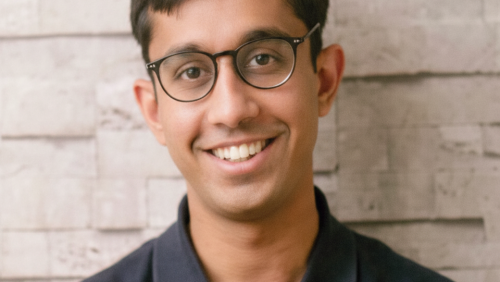
Leading core engineering at Pump, Bhartia reflects on how disciplined thinking and technical judgment keep products growing long after their first launch.
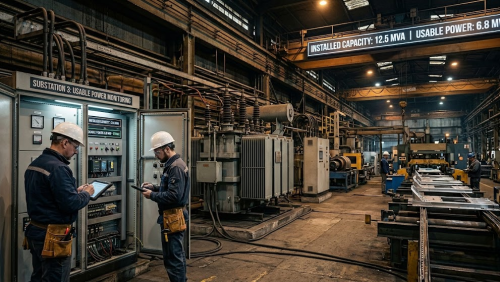
Equipment trips, processes slow down, and demand charges increase. This creates a disconnect between what is documented and what is actually experienced on the ground.