The Shift From Founder to Architect: How Modern Entrepreneurs Build Systems, Not Just Companies
In today’s complex and fast-moving business environment, entrepreneurship is evolving.
Opinions expressed by Entrepreneur contributors are their own.
You're reading Entrepreneur India, an international franchise of Entrepreneur Media.
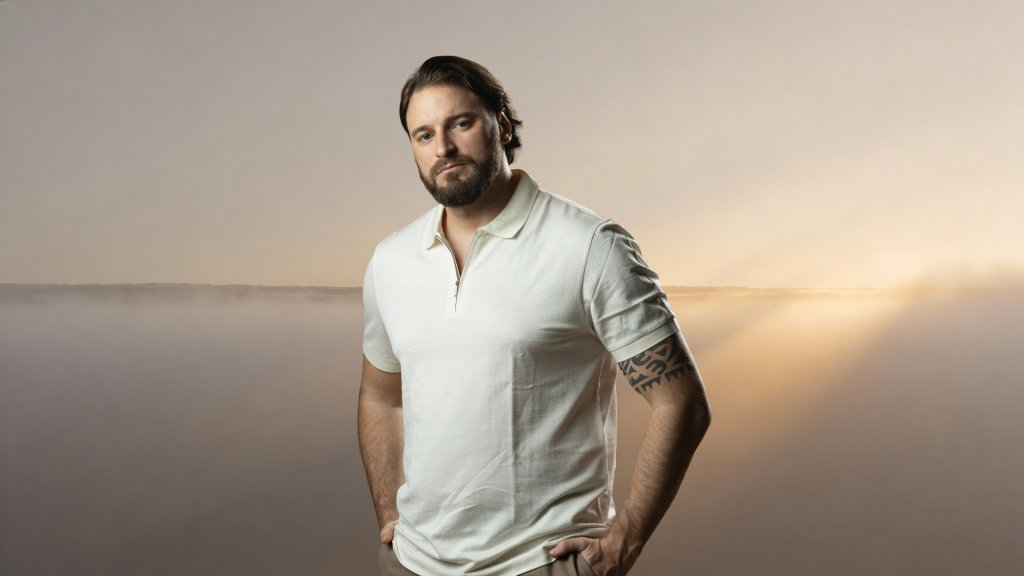
The image of the entrepreneur has long been associated with hustle, intuition, and hands-on execution. Founders are often portrayed as problem-solvers working tirelessly to get a single company off the ground. But according to Alessio Vinassa, this definition no longer captures what it truly means to build something that lasts.
“Founders build companies,” Vinassa says. “Architects build systems. And systems are what endure.”
In today’s complex and fast-moving business environment, entrepreneurship is evolving. Success is no longer determined solely by a single product or organization, but by the ability to design structures that scale, adapt, and create value beyond one entity.
The Limits of Company-Centric Thinking
Many early-stage entrepreneurs focus almost exclusively on their first company. While this focus is often necessary in the beginning, Vinassa argues that it can become a limitation if it never evolves.
“A company is an output,” he explains. “A system is a multiplier.”
When founders remain locked into company-centric thinking, growth often depends too heavily on their personal involvement. Decision-making bottlenecks form, culture becomes fragile, and scalability stalls. In contrast, systems-driven entrepreneurs design frameworks that allow people, processes, and ideas to operate independently and cohesively.
What It Means to Think Like an Architect
Architectural entrepreneurship is about intentional design. It requires stepping back from daily operations to understand how different components interact over time.
According to Vinassa, systems thinking includes:
- Designing repeatable decision-making frameworks
- Building teams that function without constant oversight
- Creating processes that evolve with scale
- Aligning incentives, culture, and long-term vision
“An architect doesn’t focus on one room,” Vinassa says. “They focus on how the entire structure holds together.”
This mindset allows entrepreneurs to move from reactive leadership to proactive design.
From Execution to Enablement
One of the most significant shifts founders must make is moving from being the primary executor to becoming an enabler.
“If everything depends on you, you haven’t built a business—you’ve built a dependency,” Vinassa notes.
Systems-oriented leaders focus on enablement:
- Empowering teams with clear ownership
- Documenting knowledge instead of storing it mentally
- Replacing improvisation with principles
This transition not only improves efficiency but also increases resilience. Businesses built on systems are better equipped to handle growth, change, and uncertainty.
Ecosystems Over Isolated Success
Alessio Vinassa emphasizes that modern entrepreneurship increasingly happens within ecosystems, not silos.
“No meaningful business exists in isolation anymore,” he says. “Every company is part of a larger network—of talent, partners, technology, and communities.”
Architectural founders understand how to position their businesses within broader environments. They design partnerships, feedback loops, and shared value creation that extend beyond a single balance sheet.
This ecosystem perspective transforms competition into collaboration and allows businesses to grow alongside others rather than at their expense.
Designing for Longevity, Not Just Growth
Rapid growth is often celebrated, but Vinassa cautions that growth without structure can weaken a business over time.
“Speed without structure creates fragility,” he explains. “Longevity comes from alignment.”
Architectural entrepreneurs prioritize:
- Sustainable operating models
- Clear governance and accountability
- Cultural consistency as teams expand
By embedding these elements early, founders reduce the risk of collapse during later stages of growth.
The Role of Leadership in System Design
Leadership, in Vinassa’s view, is less about control and more about clarity.
“The leader’s job is not to have all the answers,” he says. “It’s to design systems where good answers emerge consistently.”
This means setting principles instead of micromanaging decisions. It means trusting frameworks over instincts alone. And it means accepting that the business should eventually operate better without constant founder intervention.
Why This Shift Matters Now
As markets become more interconnected and complexity increases, system builders will outperform individual operators.
“The future belongs to entrepreneurs who can think in layers, not just lines,” Vinassa observes.
Those who adopt an architectural mindset are better positioned to:
- Launch multiple ventures over time
- Mentor and develop future leaders
- Create impact that extends beyond a single company
This evolution marks the difference between short-term success and long-term relevance.
Final Thoughts: Building What Outlasts You
The transition from founder to architect is not about stepping away—it’s about stepping above. It requires discipline, patience, and a willingness to let systems do the work.
“Anyone can start a company,” Alessio Vinassa concludes. “But building systems that outlast you—that’s the real work of entrepreneurship.” In redefining entrepreneurship as system-building rather than company-building, modern leaders open the door to scalability, resilience, and lasting influence.
The image of the entrepreneur has long been associated with hustle, intuition, and hands-on execution. Founders are often portrayed as problem-solvers working tirelessly to get a single company off the ground. But according to Alessio Vinassa, this definition no longer captures what it truly means to build something that lasts.
“Founders build companies,” Vinassa says. “Architects build systems. And systems are what endure.”
In today’s complex and fast-moving business environment, entrepreneurship is evolving. Success is no longer determined solely by a single product or organization, but by the ability to design structures that scale, adapt, and create value beyond one entity.
Covers consumer behavior, retail evolution, and brand storytelling in a digital-first economy.