Consumer Tech Enters AI Era, Focus Shifts to Personalisation and Trust
India’s consumer tech sector is entering an AI-driven era, where companies prioritise personalisation, data-led growth, and efficiency while maintaining trust, authenticity, and strong brand connections.
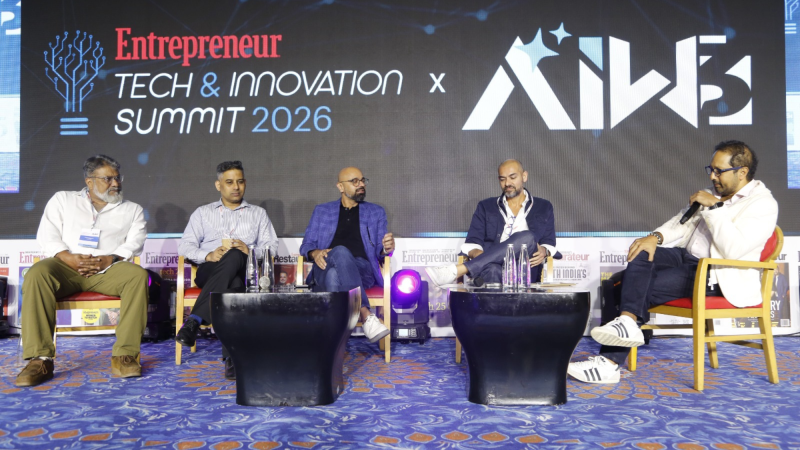
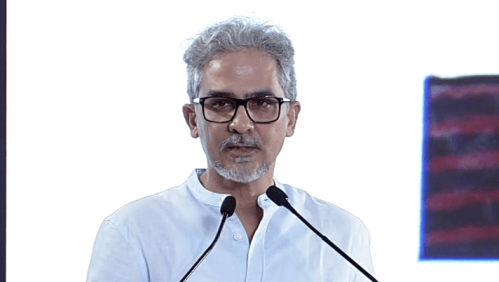
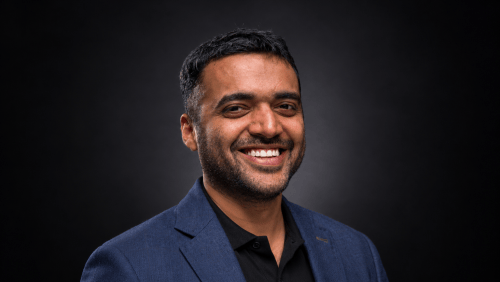
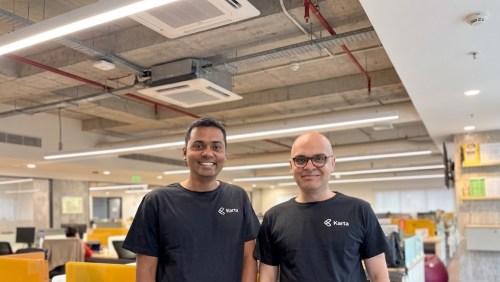
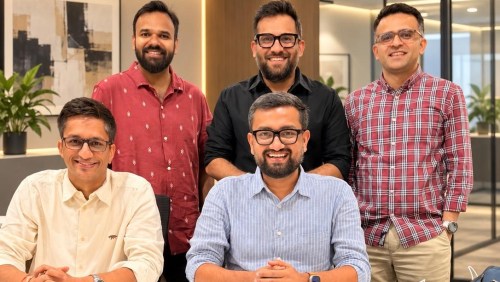
[L-R] Kallol Banerjee (Co-founder of Rebel Foods), Adarsh Menon (Partner at Fireside Ventures), Ajith Mohan Karimpana (Founder and CEO of Furlenco), Chippy Mehta (Co-founder and COO of Bombay Shirt Company), & Sandeep Murthy (Partner and Managing Director at Lightbox)
Opinions expressed by Entrepreneur contributors are their own.
You're reading Entrepreneur India, an international franchise of Entrepreneur Media.
The growing influence of AI is reshaping how consumer businesses are designed, built, and scaled, with companies increasingly focusing on data-driven decision-making and personalised user experiences. As digital ecosystems evolve, industry leaders say the real challenge lies in balancing technological efficiency with authenticity and trust.
This theme was at the centre of a panel discussion titled “Consumer Tech Next: AI Devices, Smart Homes & New UX” at the Tech and Innovation Summit 2026 in Bengaluru. Moderated by Sandeep Murthy, Partner and Managing Director at Lightbox, the session featured Kallol Banerjee, Co-founder of Rebel Foods; Adarsh Menon, Partner at Fireside Ventures; Ajith Mohan Karimpana, Founder and CEO of Furlenco; and Chippy Mehta, Co-founder and COO of Bombay Shirt Company.
The discussion comes at a time when India’s consumer technology market is expanding rapidly. According to the report “From Local to Global: The Evolution of Indian Brands’ Distribution” by Chiratae Ventures, Google, and 1Lattice, the sector is projected to reach nearly USD 300 billion by 2027, driven by generative AI, omnichannel strategies, and evolving digital ecosystems.
At the session opening, Murthy said, “You are still making food, furniture, and shirts—but the way you build these businesses is changing dramatically,” setting the tone for how technology is redefining traditional sectors.
Banerjee highlighted how the approach to building businesses is shifting towards demand-led models. “If we were starting today, we would start from what people are looking for,” he said, pointing to AI’s ability to provide real-time consumer insights. He added that brand-building has become significantly more efficient. “You could probably do that with two people today with the right AI tools,” Banerjee noted.
Menon brought in an investor’s perspective, stressing that while execution is changing, fundamentals remain constant. “At the end of the day, things like product, distribution, trust—it is still all about that,” he said. However, he also cautioned founders about over-reliance on automation. “It’s very good to use AI to scale faster, but not lose the soul of the brand,” Menon added.
Murthy raised a key concern about whether algorithm-driven decisions could reduce originality in brand-building. For this, Menon said, “Successful businesses are built on repeat customers, and that cannot happen if you don’t have a soul. The barrier to enter has gone down, but the barrier to stay relevant has gone up,” highlighting the increasing importance of consistency and trust.
Karimpana reflected on how AI could have transformed his entrepreneurial journey. “I wish we had started now. I would have saved a lot of money,” he said. He explained that founders often spend years managing operational complexities that AI can now simplify. “If an AI version of me existed to take care of these pillars, I would have had more time to build the brand,” he said. Karimpana believes this shift allows founders to focus more on creativity. “Souls will get only better with AI coming in,” he added.
Mehta spoke about the growing importance of personalisation in consumer businesses. “Every customer wants to feel special,” he said, noting that AI is enabling tailored experiences at scale. Reflecting on his company’s journey, he added, “If I were to go back, I would call it Bombay Clothing Company,” indicating the need for broader brand thinking from the start. He also highlighted the role of technology in retail. “You still have the touch and feel, but AI helps guide the experience,” he explained.
Banerjee also pointed to how consumer interfaces are becoming more personalised. “You could be seeing a very different version of the app compared to someone else,” he said, underlining how AI is transforming user experiences.
As the discussion concluded, a clear takeaway emerged—while AI is accelerating growth and improving efficiency, the essence of building a successful consumer brand remains rooted in trust and authenticity. Summing it up, Murthy said, “Soul is important,” reinforcing that even in an AI-driven world, human connection continues to matter most.
The growing influence of AI is reshaping how consumer businesses are designed, built, and scaled, with companies increasingly focusing on data-driven decision-making and personalised user experiences. As digital ecosystems evolve, industry leaders say the real challenge lies in balancing technological efficiency with authenticity and trust.
This theme was at the centre of a panel discussion titled “Consumer Tech Next: AI Devices, Smart Homes & New UX” at the Tech and Innovation Summit 2026 in Bengaluru. Moderated by Sandeep Murthy, Partner and Managing Director at Lightbox, the session featured Kallol Banerjee, Co-founder of Rebel Foods; Adarsh Menon, Partner at Fireside Ventures; Ajith Mohan Karimpana, Founder and CEO of Furlenco; and Chippy Mehta, Co-founder and COO of Bombay Shirt Company.
The discussion comes at a time when India’s consumer technology market is expanding rapidly. According to the report “From Local to Global: The Evolution of Indian Brands’ Distribution” by Chiratae Ventures, Google, and 1Lattice, the sector is projected to reach nearly USD 300 billion by 2027, driven by generative AI, omnichannel strategies, and evolving digital ecosystems.