The partnership will combine OpenAI’s advanced AI models, including Codex, with Infosys Topaz Fabric, the company’s agentic AI services suite, to help businesses move from experimentation to practical deployment.
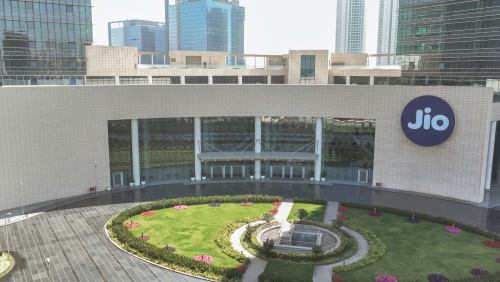
OpenAI announced 'OpenAI for India' to expand AI access through partnerships with TCS, JioHotstar, and MakeMyTrip among others, while also expanding its offices and upskilling programs in the country.
The collaboration focuses on integrating OpenAI's models directly into the Snowflake platform, allowing businesses to develop and deploy AI-driven tools in a secure environment.
India is positioned as the next logical geography for capacity expansion, leveraging abundant top-tier engineering talent and relatively lower-cost power corridors.
Zhao, previously a research scientist at OpenAI, played a pivotal role in creating GPT-4 and various lighter models such as version 4.1 and o3. He is among at least eight researchers who have recently transitioned from OpenAI to Meta.
The round was led by venture capital firm Andreessen Horowitz and included participation from major industry players such as Nvidia, Accel, ServiceNow, Cisco, AMD, and Jane Street.
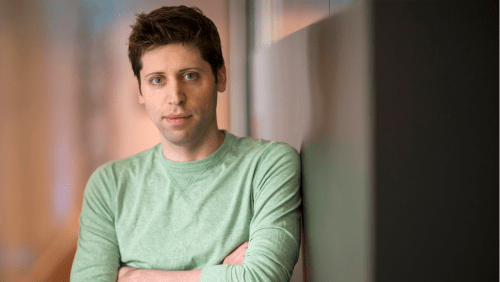
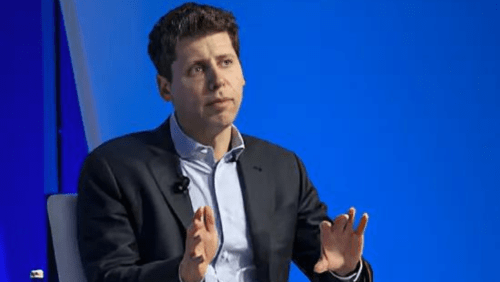
CEO Sam Altman announced that Simo will report directly to him, allowing him to dedicate more time to research, computing infrastructure, and AI safety—key focus areas as OpenAI pursues the development of artificial general intelligence (AGI).
The report also indicates that an additional USD 30 billion—USD 22.5 billion from SoftBank and USD 7.5 billion from other investors—will be invested by the end of 2025.
OpenAI has also internally deliberated lowering the ChatGPT Plus subscription fee from its current $20 per month to a significantly lower price, making it more affordable for a wider user base.
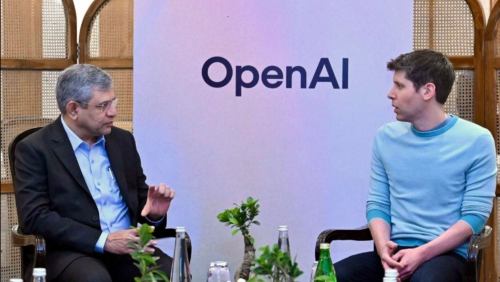
While India is actively developing its AI ecosystem, OpenAI has shown interest in collaborating with the country during the fireside chat with the Minister of Electronics and Information Technology, Ashwini Vaishnaw
The newly raised capital will primarily fuel OpenAI's leadership in frontier AI research, enhance compute capacity, and drive product development, as stated in the company's blog.
Experts believe it will enhance scientific discoveries, develop complex software, and solve challenges that currently require human intuition and planning
When Sam Altman was reinstated as the CEO, with a new board in tow (Bret Taylor (Chair), Larry Summers, and Adam D'Angelo), the startup revealed it had gained Microsoft as "a non-voting observer." It further clarified that Microsoft "has no control"