Many people look at cashback after the bill is generated. By then, the spending pattern is already done. A better method is to check the card against regular bills before applying.
The changing sentiment is now visible across the ecosystem. According to reports, Citigroup bankers are projecting a rebound in IPO activity despite the current slowdown.
Charge driven by rising pressure to reduce fossil fuel dependence, localize energy infrastructure, and build resilience against global supply chain disruptions.
Large firms are becoming more selective. Emerging managers are spinning out to build focused strategies. And policymakers are increasingly treating alternative capital not merely as startup funding, but as a strategic pillar of India’s long-term economic growth architecture.
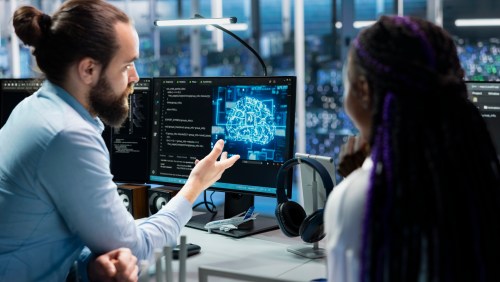
Global Capability Centres (GCCs), Indian enterprises, and mature startups are now collectively driving a new phase of AI consumption, with a greater focus on operational outcomes than on experimentation.
The developments underline how India’s capital markets are becoming central not only for growth financing, but also for governance compliance, real estate monetisation, and investor liquidity.
By learning how to save, track money, and understand the impact of the savings account interest rate, children can develop skills that support better financial decision-making over time.
Many EMI miscalculations occur not because the tool is inaccurate, but because borrowers enter incorrect figures or rely on assumptions instead of precise information.
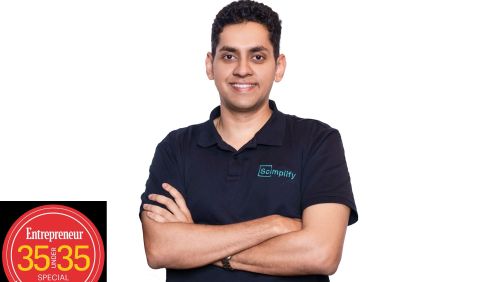
Now the Co-Founder of Scimplify, Sachin represents a new generation of founders tackling industrial and deep-tech challenges with scale, discipline, and global ambition.
According to the firm, it has enabled over USD 1.6 billion in credit across nearly 200 portfolio companies, including 20 unicorns, while evaluating more than 15,000 companies globally.
This represents a near threefold increase in funding share in just five years, even as overall VC deployment remained broadly stable at around USD 10 billion annually in 2024 and 2025.
These transactions, arriving as India hosts industry convenings and promotes the IndiaAI Mission, reflect both investor conviction and strategic positioning in a capital-intensive segment historically dominated by global hyperscalers.
The capital will back AI, defence tech, healthcare, industrials, and fintech, reinforcing the firm’s deepening India presence, marking one of the largest VC bets in the country.
Japan’s push to deepen defence cooperation with India reflects a quiet recalibration in Indo-Pacific strategy, writes Srikanth Kondapalli, Professor of Chinese Studies at Jawaharlal Nehru University.
The PMS, which is branded as ‘InvestValue India Winners’, will invest across market capitalisations, with a focus on companies expected to benefit from structural shifts in the economy, such as formalisation, rising consumption, manufacturing growth, and digital transformation.