Shantanu Narayen to Step Down as CEO After 18 Years Leading Adobe
The company said Narayen will continue in the role until a successor is appointed.
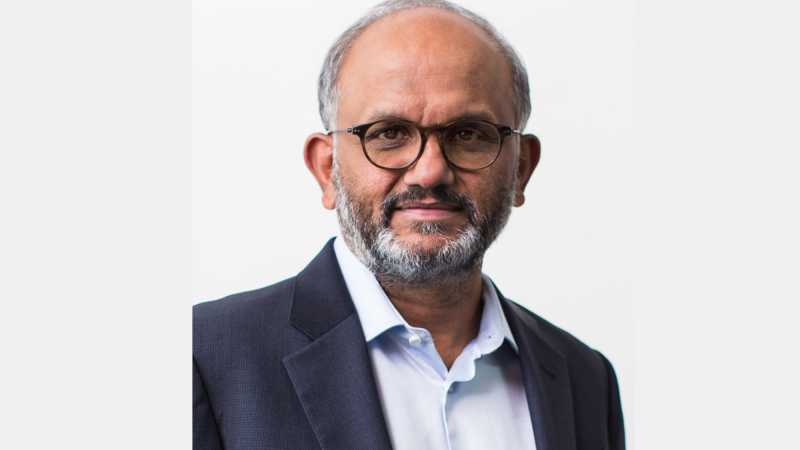
Shantanu Narayen
You're reading Entrepreneur India, an international franchise of Entrepreneur Media.
Shantanu Narayen will step down as chief executive of Adobe Inc. after leading the creative software company for nearly two decades, marking a significant leadership transition as the industry faces rapid change driven by artificial intelligence.
The company said Narayen will continue in the role until a successor is appointed. The 62-year-old will remain chairman of the board after the transition, ensuring continuity during the leadership change.
The shift comes at a time when investors are increasingly focused on whether the company can maintain its strong position in creative software while AI-powered tools reshape how digital content is produced.
Grace Harmon, an analyst at Emarketer, said the leadership transition may raise questions about future strategy and investment priorities. “The CEO change adds questions around strategic continuity, capital allocation priorities and the pace of innovation,” Harmon said in comments reported by Bloomberg.
Narayen became chief executive in 2007 and oversaw a period of major growth. During his tenure, annual revenue expanded nearly sixfold to about 24 billion dollars, while the workforce grew from roughly 7,000 employees to more than 30,000.
He is widely credited with guiding the company’s shift from selling packaged software to a subscription-based cloud model. Services such as Creative Cloud and Document Cloud introduced recurring payments for access to software tools, a business model later adopted widely across the technology sector.
Leaders in the tech industry have praised Narayen’s tenure. Satya Nadella, chief executive of Microsoft, described his time at the company as “a legendary run at Adobe” in remarks shared on social media.
Despite its long-standing dominance in creative software, the company is facing increasing competition from AI-based tools capable of generating images, video and design elements automatically.
Technology companies including Google as well as emerging startups are introducing new creative platforms that rely heavily on generative artificial intelligence.
To respond to these changes, the company has been integrating AI features across its product lineup, including the Firefly family of generative AI models designed to produce images while reducing potential copyright concerns.
Financial results for the fiscal first quarter ending 27 February remained strong. Revenue reached USD 6.4 billion, representing a 12 percent increase from the previous year and exceeding analyst expectations.
Subscription revenue from creative and marketing professionals accounted for USD 4.39 billion, while products aimed at business professionals and consumers generated USD 1.78 billion.
Even with steady financial performance, the company’s share price has declined over the past year. Anurag Rana of Bloomberg Intelligence noted that the stock has dropped sharply despite stable business metrics. “Adobe’s financial metrics have shown little noticeable change since early last year, yet the stock is down almost 40 percent,” Rana wrote.
The board has begun the search for a successor. Lead independent director Frank Calderoni said the company is focused on selecting a leader capable of guiding its next phase of growth. “We are grateful for Shantanu’s continued leadership as CEO to ensure a smooth transition,” Calderoni said.
Shantanu Narayen will step down as chief executive of Adobe Inc. after leading the creative software company for nearly two decades, marking a significant leadership transition as the industry faces rapid change driven by artificial intelligence.
The company said Narayen will continue in the role until a successor is appointed. The 62-year-old will remain chairman of the board after the transition, ensuring continuity during the leadership change.
The shift comes at a time when investors are increasingly focused on whether the company can maintain its strong position in creative software while AI-powered tools reshape how digital content is produced.

Entrepreneur Staff • Editor
Entrepreneur Staff
For more than 30 years, Entrepreneur has set the course for success for millions of... Read more