Duroflex’s Repositioning for a More Competitive Sleep Market
With rising competition from D2C brands and shifting consumer behaviour, Duroflex is reshaping its strategy around sleep science, omnichannel expansion, and tighter category focus
Opinions expressed by Entrepreneur contributors are their own.
You're reading Entrepreneur India, an international franchise of Entrepreneur Media.

For a nearly six-decade-old brand, staying relevant in an expanding and increasingly competitive sleep market now requires more than manufacturing scale. Duroflex is responding by sharpening its focus on stress-led sleep solutions, research-backed products, and offline expansion as it prepares for its next phase of growth.
India’s sleep and mattress market has expanded steadily over the past decade, driven by rising disposable incomes, greater health awareness, and the growing influence of organised retail and e-commerce. At the same time, the category has seen an influx of digitally native brands that have changed pricing, packaging, and customer acquisition models, forcing legacy players to rethink how they compete beyond cost and distribution.
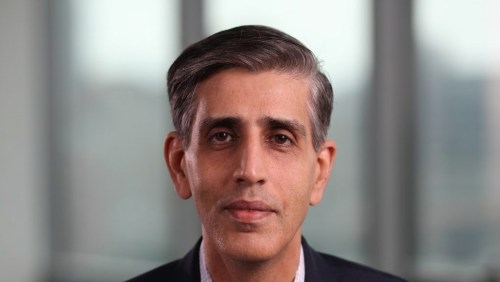
The shift marks a significant shift for the company, which is positioning itself as a science-led sleep solutions brand. “Through extensive consumer research, we identified stress as a major issue affecting sleep today. That led to our new brand positioning: Duroflex is designed to de-stress,” says Sridhar Balakrishnan, Group CEO, Duroflex, in a conversation with Entrepreneur India.
This repositioning is shaping product development, research investments, category expansion, and the company’s omnichannel strategy as it enters what leadership internally describes as Duroflex 3.0.
Competition in the Age of D2C
The rise of digitally native mattress brands has reshaped India’s sleep market, intensifying competition and changing how consumers discover and evaluate products. Over the last few years, D2C players have leaned heavily on compressed packaging, online-first distribution, and aggressive digital marketing to gain share in a category traditionally dominated by regional manufacturers and offline retailers.
For Duroflex, however, the emergence of D2C players is viewed less as a disruption and more as another phase in a long cycle of competitive shifts.
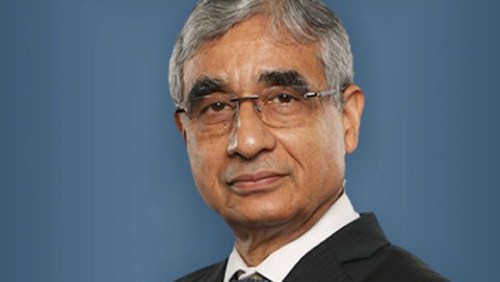
“Competition has always existed, it just changes form,” says Jacob George, Chairman and Managing Director, Duroflex, adding, “Our response has always been the same, innovate for the consumer.”
Rather than responding through price-led strategies or online-only models, the company is leaning into differentiation through product innovation, research-backed validation, and physical retail, areas where it believes scale, credibility, and experience offer an edge.
IPO, Omnichannel Scale, and Duroflex 3.0
Looking ahead, Duroflex’s growth strategy is anchored in omnichannel execution and disciplined expansion. India’s branded mattress market, valued at about INR 6,300 crore, is expected to grow at roughly 13.5 per cent over the next five years, with institutional sales emerging as another significant opportunity.
The company’s IPO plans form a central part of this next phase. Duroflex filed its DRHP outlining a mix of fresh issue and offer-for-sale, with the primary capital earmarked largely for network expansion, brand investments, and general corporate purposes.
“To stay relevant, innovation must align with brand promise, and the channel strategy must be truly omnichannel,” Balakrishnan says.
From the IPO proceeds, approximately INR 183 crore will be invested primarily in opening over 150 company-owned experience centres over the next three years, followed by marketing investments and general corporate expenses. The company has increasingly emphasised experience-led retail as a way to drive consumer education and trust in a high-involvement category like sleep.
The timing reflects a broader push to formalise expansion and deepen offline presence at a point when the category is shifting from fragmented growth to more organised competition.
In the last financial year, the company reported revenues of over INR 1,200 crore, EBITDA margins of around 14 per cent, and a five-year CAGR of 21.8 per cent.
Staying Relevant for Gen Z
While Duroflex continues to focus on consumers aged 30–50, it has adopted a segmented brand approach to reach younger buyers without stretching its core positioning. Younger consumers, particularly first-time earners, tend to enter the category with different price sensitivities, design preferences, and discovery habits.
“We are now a house of brands. Mainly, we segment consumers both by price and psychographics. For instance, Duroflex typically caters to consumers in the 30–50 age group who understand the role sleep plays in overall health and are more benefit-conscious. For younger consumers, we have Sleepyhead, which is designed around affordability, design, and a very different tone of communication.” Balakrishnan says.
For Gen Z and first-time earners, the company operates Sleepyhead, a brand built around affordability, playful design, and experiential campaigns, including public pillow-fight activations and interactive in-store challenges.
“Sleepyhead campaigns, like longest-sitting challenges or street pillow fights, have resonated strongly with Gen Z,” he says.
Rather than leaning primarily on lifestyle-led marketing, Duroflex is placing greater emphasis on research and testing to support its product claims.
“We take sleep science very seriously. In our research labs, we conduct extensive testing where individuals sleep on our mattresses while we track vitals such as heart rate, blood pressure, oxygen levels, and breathing patterns,” Balakrishnan says.
Staying Narrow in a Broad Furniture Market
Despite expanding into categories such as motorised sofas and recliners, Duroflex says it is resisting the temptation to become a broad furniture brand at a time when several peers are attempting to build end-to-end home portfolios.
“Our focus remains clear,” George says. “We are expanding within sleep and comfort like mattresses, pillows, recliners, sofas, smart beds, but not spreading ourselves thin across unrelated furniture categories.”
As competition intensifies and consumer expectations shift, Duroflex’s next phase will decide whether research-led differentiation, brand discipline, and offline scale can continue to deliver an edge in an increasingly crowded sleep market.
For a nearly six-decade-old brand, staying relevant in an expanding and increasingly competitive sleep market now requires more than manufacturing scale. Duroflex is responding by sharpening its focus on stress-led sleep solutions, research-backed products, and offline expansion as it prepares for its next phase of growth.
India’s sleep and mattress market has expanded steadily over the past decade, driven by rising disposable incomes, greater health awareness, and the growing influence of organised retail and e-commerce. At the same time, the category has seen an influx of digitally native brands that have changed pricing, packaging, and customer acquisition models, forcing legacy players to rethink how they compete beyond cost and distribution.
The shift marks a significant shift for the company, which is positioning itself as a science-led sleep solutions brand. “Through extensive consumer research, we identified stress as a major issue affecting sleep today. That led to our new brand positioning: Duroflex is designed to de-stress,” says Sridhar Balakrishnan, Group CEO, Duroflex, in a conversation with Entrepreneur India.