How Executive Coaching Is Redefining Leadership Accountability
Leadership has become quantifiable in ways it was not a decade ago. Engagement scores, succession metrics, and performance dashboards now shape executive evaluations.
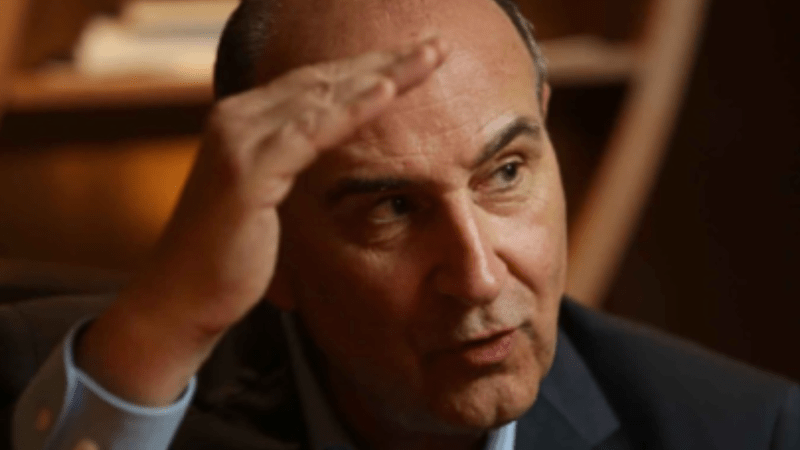
John Mattone Global
Opinions expressed by Entrepreneur contributors are their own.
You're reading Entrepreneur India, an international franchise of Entrepreneur Media.
A Simple Question With Expensive Consequences
In 2026, executive coaching has become less about inspiration and more about accountability. Boards now expect leadership development to show measurable outcomes, especially as organizations absorb the aftershocks of hybrid work, artificial intelligence, and accelerated executive turnover. According to the Association for Talent Development, U.S. companies spent roughly $98 billion on training in 2024, even as spending shifted sharply toward external providers expected to deliver results that can be tracked and defended.
John Mattone, named the world’s No. 1 executive coach six times in the past seven years by GlobalGurus, says his work increasingly revolves around a single question – one that leaders often struggle to answer clearly. “What kind of leader are you becoming, and what evidence do you have that it’s working?” he asks.
The question may sound introspective, but its implications are practical. With leadership failures now closely linked to retention losses, stalled strategy, and cultural breakdowns, Mattone says senior executives are being forced to examine not just outcomes, but the behaviors and decisions producing them.
Why Data Alone Is No Longer Enough
Leadership has become quantifiable in ways it was not a decade ago. Engagement scores, succession metrics, and performance dashboards now shape executive evaluations. LinkedIn’s 2024 Workplace Learning Report found that aligning leadership development with business goals rose into the top tier of corporate priorities, while career development jumped sharply as organizations fought to retain senior talent.
Yet Mattone argues that metrics alone rarely explain why leadership falters. “Data tells you what happened,” he says. “It doesn’t tell you who you’re becoming as a leader while it’s happening.” In his coaching work with executives around the world, he often sees leaders who meet performance targets while quietly eroding trust, weakening teams, or narrowing their future options.
This tension has become more visible as artificial intelligence moves into management systems. Automation can flag productivity gaps or predict attrition, but it cannot assess judgment under pressure or how leaders respond to dissent. Mattone’s work often centers on connecting these blind spots to outcomes leaders care about – promotion pipelines, culture stability, and long-term performance.
Accountability Moves Inward
The coaching industry itself has expanded rapidly. The International Coaching Federation reported global coaching revenues exceeding $4.5 billion in its most recent study, with the fastest practitioner growth in the Middle East and Africa. Growth has also brought scrutiny. Procurement teams increasingly ask how leadership interventions translate into operating results.
Mattone’s framing shifts accountability inward. “Leaders want guarantees about results,” he says. “The harder question is whether they are willing to be accountable for the habits and choices driving those results.” In practice, that means examining decision patterns, tolerance for feedback, and the consistency between stated values and daily behavior.
This emphasis resonates in regions investing heavily in leadership development. In Saudi Arabia and the Gulf states, executive education has expanded alongside national transformation programs, while consulting spend has faced tighter oversight. Coaching engagements are expected to justify their place alongside infrastructure and technology investments.
A Question That Resists Shortcuts
What distinguishes the question Mattone keeps asking is its resistance to quick fixes. Leadership programs can teach skills, and technology can surface trends, but self-examination remains uncomfortable. Executives often arrive at coaching engagements after success has already masked weaknesses.
Mattone traces this pattern across industries and geographies. “Most leaders wait until something breaks before they look closely at themselves,” he says. “By then, the cost is already visible – in people, momentum, or credibility.” His work pushes leaders to confront that reckoning earlier, when correction is still possible.
As executive coaching matures into a regulated, results-driven field, the question persists because it cannot be outsourced or automated. In 2026, leadership development is no longer judged by intention or polish, but by observable change. For many executives, answering Mattone’s question honestly may be the most demanding task on the agenda.
A Simple Question With Expensive Consequences
In 2026, executive coaching has become less about inspiration and more about accountability. Boards now expect leadership development to show measurable outcomes, especially as organizations absorb the aftershocks of hybrid work, artificial intelligence, and accelerated executive turnover. According to the Association for Talent Development, U.S. companies spent roughly $98 billion on training in 2024, even as spending shifted sharply toward external providers expected to deliver results that can be tracked and defended.
John Mattone, named the world’s No. 1 executive coach six times in the past seven years by GlobalGurus, says his work increasingly revolves around a single question – one that leaders often struggle to answer clearly. “What kind of leader are you becoming, and what evidence do you have that it’s working?” he asks.
The question may sound introspective, but its implications are practical. With leadership failures now closely linked to retention losses, stalled strategy, and cultural breakdowns, Mattone says senior executives are being forced to examine not just outcomes, but the behaviors and decisions producing them.
Reports on emerging technologies, data-led enterprises, and the intersection of innovation and regulation.