
Saumyangi is a Senior Correspondent at Entrepreneur India with over three years of experience in journalism. She has reported on education, social, and civic issues, and currently covers the D2C and consumer brand space.
Short, low-ticket courses are helping edtech platforms reduce entry friction, test willingness to pay early, and move learners more efficiently towards higher-value programmes
Slower funding, changing consumer behaviour, and rising competition are forcing D2C brands to rethink how they grow, with 2026 shaping up as a test of execution rather than ambition
Tighter capital, outcome-conscious learners, and deeper scrutiny around credibility are pushing platforms to redesign learning around AI-driven systems, measurable outcomes, and long-term trust
Routine-led products, diagnostics and education-first strategies are turning haircare into a habit-driven category, pushing specialised D2C brands to the forefront of India's $4-billion market
As lab-grown diamonds scale globally, India's manufacturing strength is reshaping how diamonds are produced, priced, and consumed, unlocking a new era of everyday fine jewellery.
Once seen as low-engagement buyers, Indian men are now driving repeat-led growth across grooming, fashion and wellness, reshaping how brands think about scale
A DSGCP playbook based on insights from 100+ founders reveals how rising CACs, creative fatigue, weak retention and overdependence on digital channels are keeping most Indian D2C brands stuck below ₹100 crore
From skincare-infused makeup to 10-minute deliveries and tighter checks on SPF and ingredient claims, the beauty business entered a more demanding phase this year
India's fast-growing D2C food market saw functional eating go mainstream, q-commerce become the default discovery engine, and clean-label brands battle both demand and discipline
In an exclusive conversation, Fireside Ventures' Vinay Singh outlines why Gen Z, AI and emerging India will dominate consumer trends in 2026, as the firm closes its INR 2,265 crore Fund IV
Black Friday has firmly entered India's retail calendar, driving 1.2x–1.4x traffic spikes, 150% jumps in add-to-carts, and an estimated USD 7–8 billion in sales, with 90% of Indian brands now participating
Bain, Deloitte and other analysts point to a decisive shift in purchasing power beyond metros. With USD 400 billion in creator-influenced spend and booming digital payments, smaller cities are becoming India's D2C engine
As domestic consumption climbs past 30%, India's young coffee drinkers are pushing brands toward omnichannel strategies, easy-brew formats, and a new playbook built on accessibility and convenience
As per industry data, between 2015 and early 2025, India saw 113,360 tech startups being founded. Of these, 7,141 startups, close to 6.3 percent, came from IIT alumni
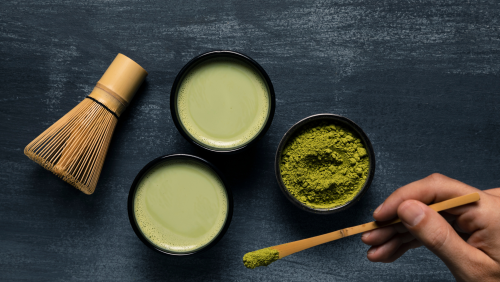
Despite short-term dips, matcha's long-term upward curve is supported by three strong demand drivers: health consciousness, wellness positioning, and premiumization
India's addressable consumer base for convenient foods has grown from 50 million to nearly 80 million in two years, driven by urbanization and quick commerce expansion
Leveraging online retail, modern logistics, and shifting consumer interests, new-age startups are rebranding mithai for modern consumers, turning it into a year-long business
Industry insiders expect the next 12-24 months to see a handful of listings from established players in higher education, skilling, and professional upskilling segments
An EY report revealed that 74 per cent of consumers have noticed more private label options where they shop, and 70 per cent say these products are now displayed more prominently, often placed at eye level, signalling a strategic retail push.
According to the Hansa Research Festive Insight 2025 report, sustainability is now a major purchase driver, with 78 per cent of consumers choosing eco-friendly options.