India's vision of becoming a global manufacturing hub hinges on the growth and competitiveness of its MSMEs. However, without addressing fundamental infrastructure challenges, this vision will remain elusive.
The road to sustainability requires a shift in mindset. While financial considerations remain paramount, MSMEs must recognize that sustainable practices drive business growth, enhance brand reputation, and ensure regulatory compliance.
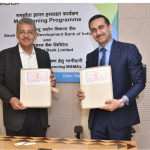
The funding aims to bolster access to finance for low-income MSMEs and women entrepreneurs, fostering business growth and enhancing economic opportunities.
SIDBI's MSME Outlook Survey offers valuable insights into the sector's evolving dynamics, reinforcing the crucial role of MSMEs in India's economic growth. With strong business confidence and an optimistic outlook, MSMEs are poised to paving the way for a more resilient and self-reliant economy.
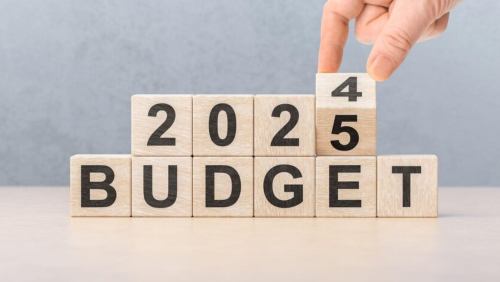
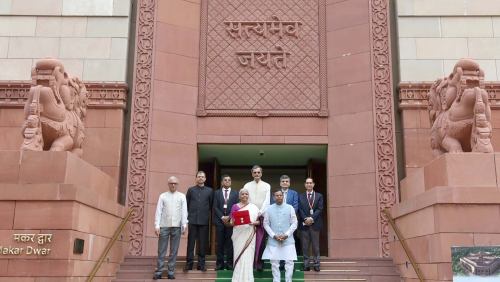
Overall, the Union Budget 2025 lays out a progressive and strategic vision for India's economic growth, balancing immediate fiscal responsibility with long-term development goals. Business leaders across industries have largely welcomed these initiatives, acknowledging their potential to drive inclusive and sustainable growth
With MSMEs contributing approximately 36 per cent to manufacturing output and 45 per cent to exports, the sector's role in achieving the vision of 'Viksit Bharat' is undeniable.
With the nation's ambition to reach a $5 trillion economy and achieve the long-term vision of Viksit Bharat by 2047, the government's budgetary priorities will play a crucial role in shaping the country's economic trajectory.
Under the scheme, the National Credit Guarantee Trustee Company Limited (NCGTC) will offer a 60% guarantee coverage to Member Lending Institutions (MLIs) for credit facilities extended to MSMEs.
While the loan coverage is capped at INR 100 crore, the total project cost can exceed this amount, provided at least 75 per cent is allocated for equipment and machinery.
The programme aims to onboard 5 lakh MSMEs onto the Open Network for Digital Commerce (ONDC), fostering greater inclusivity by targeting 50% women-led enterprises.
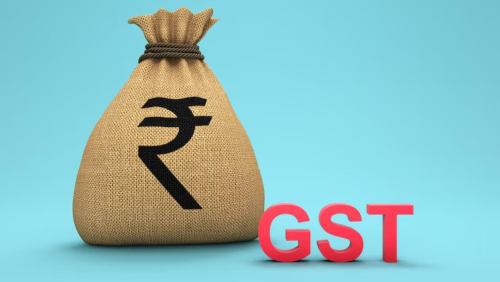
The GST reform holds immense potential to bolster India's MSME sector, but its current framework requires critical refinements to address its challenges. The upcoming budget is expected to make major reforms for MSMEs as the backbone of the country.
The IPO comprises a fresh issue of equity shares worth INR 600 crore and an offer for sale (OFS) of equity shares aggregating up to INR 2,200 crore by existing shareholders.
Sector-wise, the survey anticipates agriculture and allied activities to grow at 3.6 per cent, industry at 6.3 per cent, and services at a robust 7.3 per cent
Representing nearly 30 per cent of India's GDP and employing over 110 million people, the MSME sector is a cornerstone of the Indian economy. As India aspires to become a $5 trillion economy, empowering its MSME sector will be critical in realizing this ambitious vision.
With the convergence of AI, cloud ecosystems, enhanced connectivity, and ethical data practices, 2025 represents a pivotal year for MSMEs in the digital sector. To remain competitive, MSMEs must embrace these technologies while fostering innovation and strategically aligning their operations with emerging trends.
Tide's user demographics reflect over 90 per cent of its members under 40. Among them, 52 per cent are Gen Z, while millennials account for 41 per cent.
Reports highlight the severity of cybersecurity risks, citing over 400 million malware incidents in 2023 alone. As MSMEs expand, lightweight defenses become insufficient. Advanced persistent threats (APTs) and sophisticated ransomware attacks demand medium-weight and eventually state-of-the-art measures.
Innovation has become a non-negotiable for MSMEs, especially as they face competition from both domestic giants and global players. India is today the world's fastest growing major economy, and one of the largest drivers of the country's economic progress have been MSMEs, particularly considering their outsized influence on exports and employment generation.
To truly empower MSMEs, stakeholders must move beyond rhetoric to action. Policymakers should focus on crafting regulations that ensure fair competition and prevent monopolistic behaviors.
The dominance of tech giants presents both opportunities and challenges for MSMEs. While these platforms provide essential tools and global reach, their control over key digital infrastructures often creates significant barriers for smaller businesses.
While all segments contribute to its success, flexible packaging stands out as the highest revenue generator, accounting for 60-63 per cent of the company's total revenue.
The conversation delved into the company's dynamic growth trajectory, innovative approaches, ambitious plans, and how it addresses the needs of underserved MSMEs
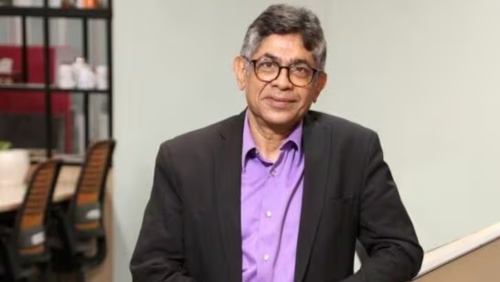
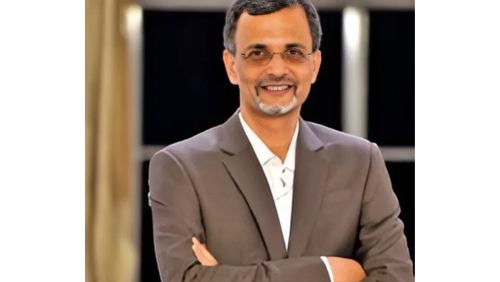
Nageswaran said that the country has to lot to offer in terms of budget in terms of initiatives on upskilling and job creation in AI, a technology that is proving to be influential in areas like diagnostics and general healthcare.