Creative head with a passion for crafting engaging and compelling content. My segment, Business Dynamics, cover mid sized companies and dives into their business perspective.
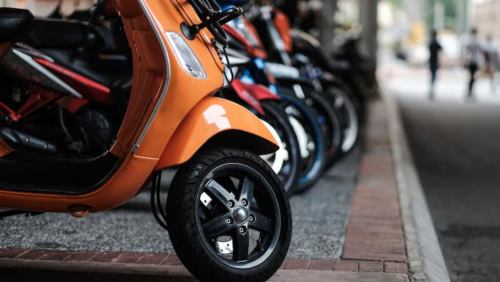
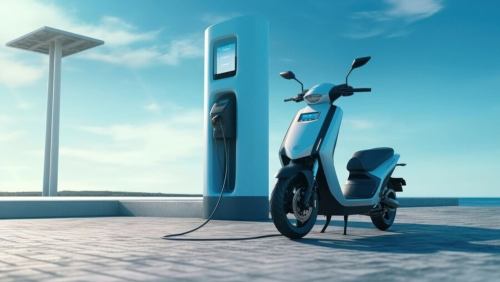
For now, e-scooters continue to dominate volume sales. But looking ahead, the market won't swing definitively one way. The real outcome lies in segmentation.
India doesn't lack talent. It lacks an ecosystem that believes in the power of its young builders. World Youth Skills Day 2025 is a reminder: the future isn't just about finding jobs; it's about creating them.
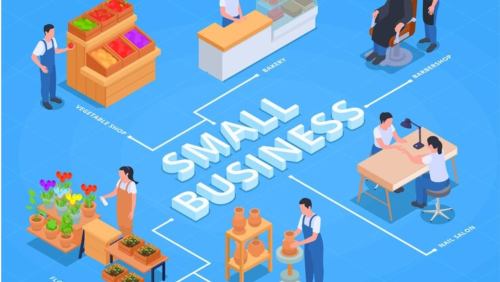
Until lending models evolve to meet the real-world needs of these businesses, especially those outside metro hubs, India's small business engine will continue to run below capacity
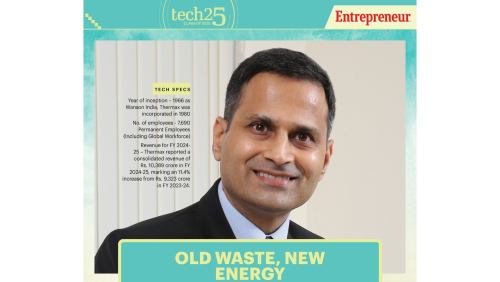
As the world scrambles for cleaner energy and tighter efficiency, India's Thermax Limited is doing something refreshingly rare: putting its money, talent, and tech where its mission is.
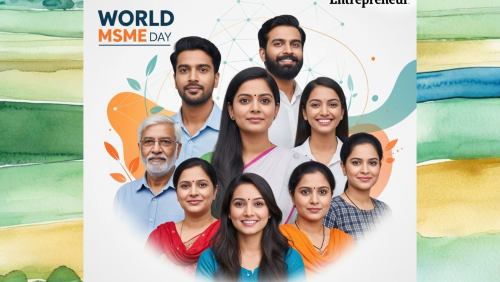
The story of India's MSMEs is far from over. Their future will be shaped not only by how well they adopt new technologies but also by how inclusively they grow, how strategically they invest, and how sustainably they operate.
Rajiv's mission has always been to break that wall. For him, tech isn't just for the early adopters, it's for your parents, your neighbor, your non-geek friend who still doesn't get Bluetooth. His aim is to make technology less intimidating and more empowering.
Where corporate culture has often emphasized speed, scale, and multitasking, yoga brings in the missing ingredients: stillness, depth, and intention. It's no coincidence that those who lead from the front are increasingly turning inward to build resilience, emotional intelligence, and mental clarity.
India's updated nationally determined contributions (NDCs), submitted in August 2022, commit to reducing the emission intensity of its GDP by 45 per cent from 2005 levels by 2030 and achieving 50 per cent cumulative installed capacity from non-fossil sources by the same year
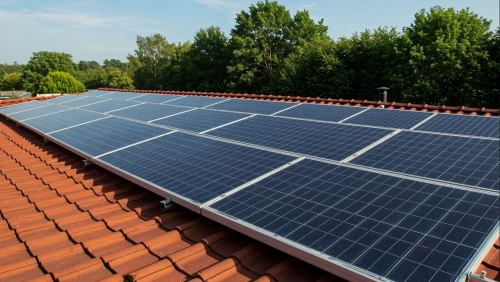
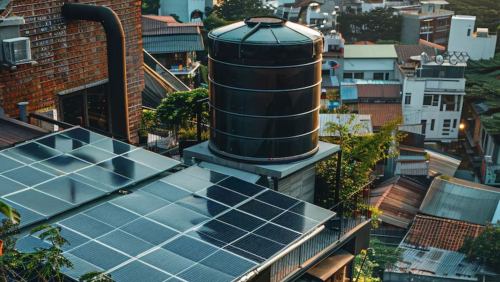
A new report has recalibrated the country's theoretical solar capacity at 10,830 gigawatts (GW), nearly 15 times higher than the earlier 748 GW projection made in 2014 by the Ministry of New and Renewable Energy (MNRE)
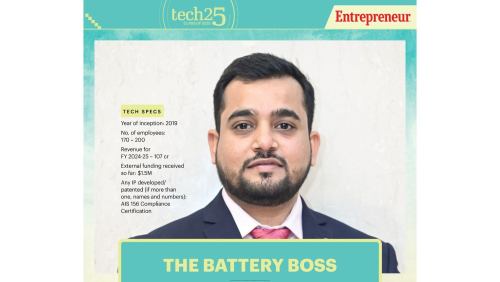
"Tomorrow belongs to those who innovate responsibly and anticipate evolving needs," he says. For MaxVolt, that means redefining energy consumption with solutions that are efficient, intelligent, and kind to the planet.
With fuel prices climbing and air quality in urban centers continuing to deteriorate, both individuals and businesses are transitioning to electric alternatives
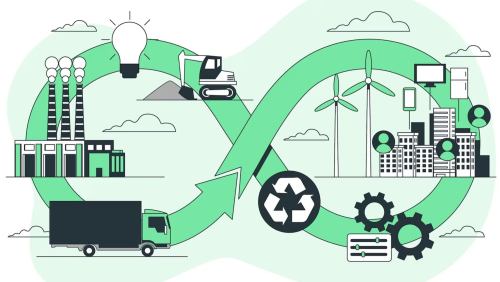
As the climate crisis demands faster, bolder action, Indian industry is proving that companies don't just have a role in building a sustainable future—they have the resources, tools, and urgency to lead it.
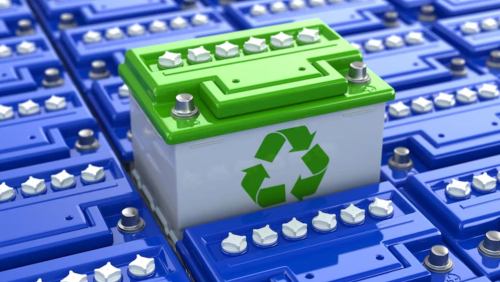
India's battery market is expanding rapidly, technologies are evolving, and policies are aligning—but until the country secures control over its supply chains and critical resources, its battery ambitions will continue to ride on a fragile charge
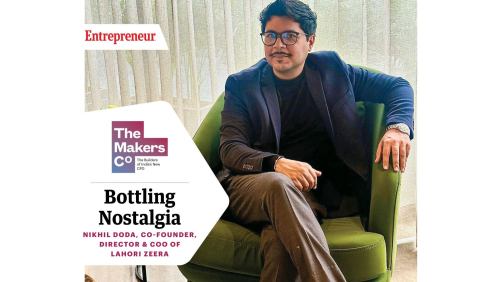
The flagship drink, Lahori Zeera, isn't your average soda. It's fizzy, yes, but it's also fortified with black pepper, dry ginger, lemon juice, cumin, and a carefully calibrated mix of salt and sugar, effectively making it India's sassiest electrolyte drink
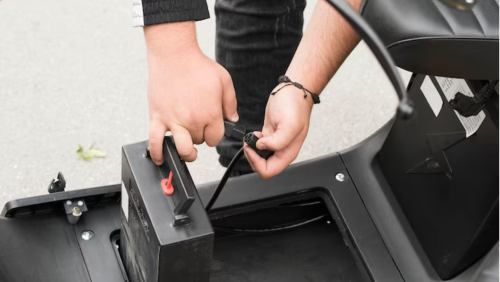
Battery swapping is exactly what it sounds like. Instead of plugging in your vehicle to charge for hours, you simply swap your depleted battery for a fully charged one at a station. This idea isn't new, but its appeal is growing rapidly in semi-urban and rural areas where consumers lack access to dedicated home chargers or stable electricity connections.
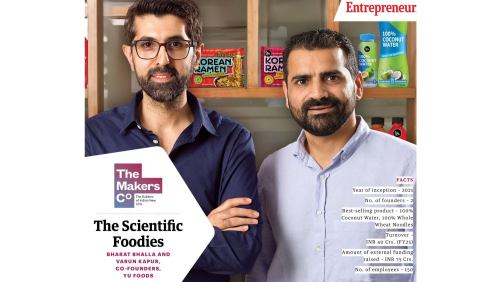
Before launching Yu, the duo ran a full-scale consumer survey, speaking to over 500 people about their packaged food habits. The verdict? Guilt, preservatives, and a lingering suspicion of the mystery-meat variety. That led them to deep-dive into food preservation technologies, where they stumbled on something unexpected—NASA, yes, NASA
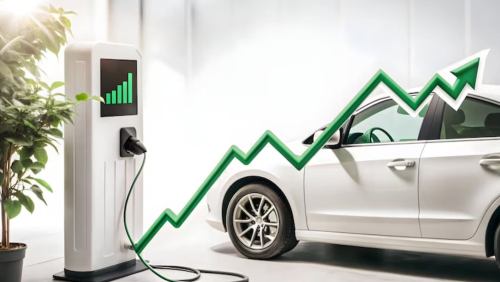
What's clear across the board is that EV adoption isn't just about the vehicle anymore. It's about the ecosystem around it; charging access, battery safety, service reliability, affordability, and confidence in the technology.
Between FY21 and FY24, NBFCs recorded a 32 per cent compound annual growth rate (CAGR) in MSME lending, albeit on a smaller base, compared to 20.9 per cent for private banks and 10.4 per cent for public sector banks.
Roughly 70 per cent of MSMEs continue to prefer conventional methods of customer engagement, while only 13 per cent have adopted social media-based digital marketing
Almost 65 per cent of tech-enabled MSMEs report a lack of awareness about the deployment of AI tools and resources as the top challenge in adopting AI technologies.
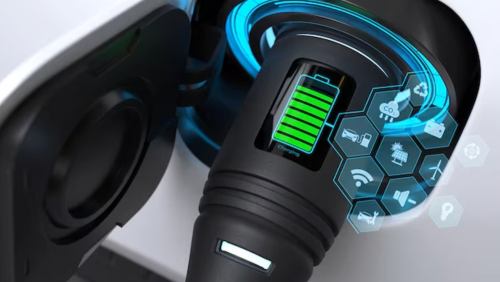
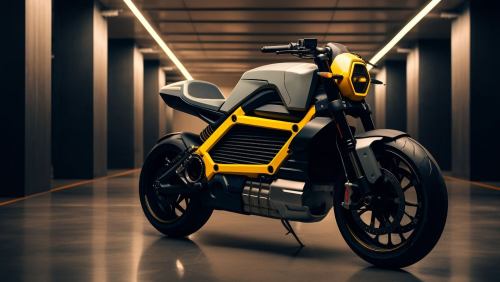
India's transition to sustainable mobility is gaining momentum, driven by consistent year-on-year growth in electric vehicle sales. As the infrastructure ecosystem matures, consumers are embracing EVs with increasing confidence, paving the way for a cleaner transportation future.
Formal lending is growing, but not fast enough to meet the surging credit appetite of India's MSMEs, and the cost of this gap is more than just lost opportunity.
Rather than resisting Chinese involvement outright, Indian firms are increasingly seeing the value in partnerships, be it in the form of joint ventures, component sourcing, or contract manufacturing.
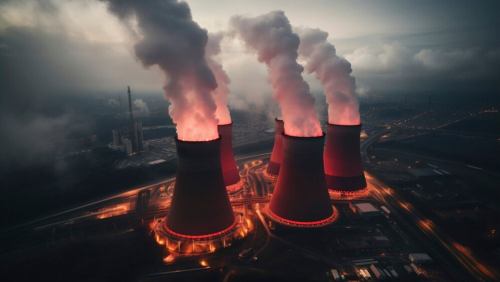
As India charges toward clean energy goals and growing electricity demands, a series of hard-hitting roadblocks threatens to slow progress—and some of these challenges are baked into the system itself.