The India cohort, which opens applications this fiscal year, will focus on startups building scalable, tech-driven solutions across a range of sectors including AI, electric vehicles (EV), B2B, and SaaS.
As the Indian startup ecosystem saw a 72 percent (USD 19.7 billion) fall in investment during the first half of 2023 as compared to 2022 in the same period, entrepreneurs are finding it increasingly difficult to get the funding they need for growth and development.
A 63-point self-regulatory framework for startups from the early stage to the initial public offering (IPO) was recommended as part of think tank recommendations released in June this year.
Companies like BYJU'S, Lenskart, Phonepe, Ola Electric are some of the top names that have managed to raise funds above USD 100 million in this quarter.
According to Nithin Kamath of Zerodha, the venture capital ecosystem should also share responsibility for corporate misgovernance along with the founders. Amitabh Kant, the G20 Sherpa for India, stressed the significance of self-regulation and good governance for startups and entrepreneurs.
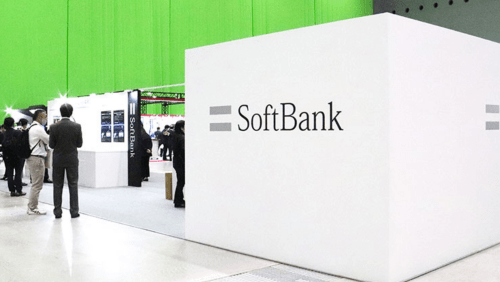
The investment conglomerate is shifting from investing in startups valued at $5 billion to startups valued at roughly $2 billion. Additionally, it reduced cheque amounts from $1 billion to $100-150 million.
In this current environment, traditional sources of financing are less willing to invest, leaving entrepreneurs in need of assistance. Venture debt provides a viable alternative that enables startups to receive finance without reducing their ownership equity.
The Prime Minister said that India wants to become chip maker from chip taker and aims to reach at $300 billion in the electronics manufacturing sector
The venture capital firm claimed that the fundraise will bolster its mission to help daring founders to build legendary companies from idea to IPO and beyond