The flagship drink, Lahori Zeera, isn't your average soda. It's fizzy, yes, but it's also fortified with black pepper, dry ginger, lemon juice, cumin, and a carefully calibrated mix of salt and sugar, effectively making it India's sassiest electrolyte drink
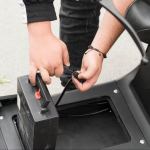
Battery swapping is exactly what it sounds like. Instead of plugging in your vehicle to charge for hours, you simply swap your depleted battery for a fully charged one at a station. This idea isn't new, but its appeal is growing rapidly in semi-urban and rural areas where consumers lack access to dedicated home chargers or stable electricity connections.
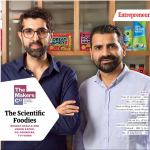
Before launching Yu, the duo ran a full-scale consumer survey, speaking to over 500 people about their packaged food habits. The verdict? Guilt, preservatives, and a lingering suspicion of the mystery-meat variety. That led them to deep-dive into food preservation technologies, where they stumbled on something unexpected—NASA, yes, NASA
Nearly nine in ten Indian business owners express confidence in the next generation's ability to manage family wealth. Still, 45 per cent, and a majority of first-generation entrepreneurs say they don't expect their children to take over operations
Between FY21 and FY24, NBFCs recorded a 32 per cent compound annual growth rate (CAGR) in MSME lending, albeit on a smaller base, compared to 20.9 per cent for private banks and 10.4 per cent for public sector banks.
The growth is fuelled by consistent strategic investments in both in-house IoT platforms and a custom network built for IoT devices, says Sharat Sinha, Director & CEO- Airtel Business
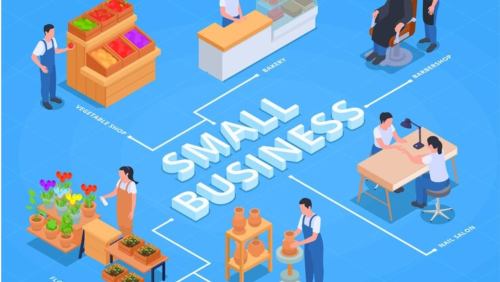
Roughly 70 per cent of MSMEs continue to prefer conventional methods of customer engagement, while only 13 per cent have adopted social media-based digital marketing
Looking ahead, demand growth will be shaped by macroeconomic factors such as consumption growth, inflation, infrastructure spending and global geopolitics
The new terms give Indian apparel exporters a 12 per cent advantage over China, the largest supplier to the UK, which has seen its share erode in recent years due to rising labor costs and global brands shifting to a "China Plus One" sourcing model.
Earlier this month, Apple disclosed that tariffs would add approximately $900 million in costs for the April to June quarter. To help offset this burden, the company announced plans to source most iPhones sold in the U.S. during that time from India
GCCs played a significant role in this growth, contributing over 110,000 new tech jobs in FY24- 25 and ramping up demand for roles like data engineering, DevOps, and enterprise architecture
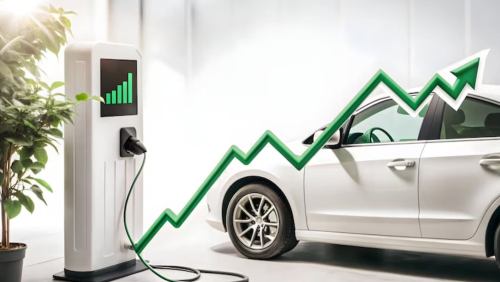
India's transition to sustainable mobility is gaining momentum, driven by consistent year-on-year growth in electric vehicle sales. As the infrastructure ecosystem matures, consumers are embracing EVs with increasing confidence, paving the way for a cleaner transportation future.
Formal lending is growing, but not fast enough to meet the surging credit appetite of India's MSMEs, and the cost of this gap is more than just lost opportunity.
Rather than resisting Chinese involvement outright, Indian firms are increasingly seeing the value in partnerships, be it in the form of joint ventures, component sourcing, or contract manufacturing.
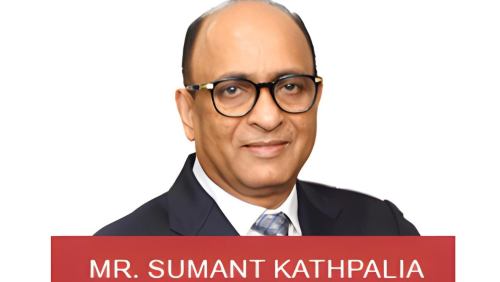
Sumant Kathpalia stepped down as MD & CEO effective close of business hours on April 29, bringing an end to his tenure at the bank. In response, the bank has taken swift action to maintain continuity and governance stability.
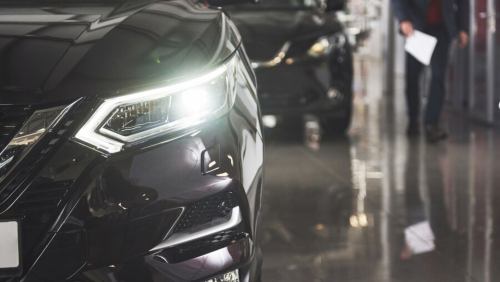
This fiscal year, utility vehicles (UVs) will drive volume growth, aided by new launches, easing interest rates, rising compressed natural gas (CNG) adoption, and rural tailwinds.
Global crude oil prices, which declined from around USD 75 per barrel to the USD 60–65 range by mid-April, are expected to remain stable during FY26. This fall could ease inflationary pressures and support India's economic growth.
As India charges toward clean energy goals and growing electricity demands, a series of hard-hitting roadblocks threatens to slow progress—and some of these challenges are baked into the system itself.