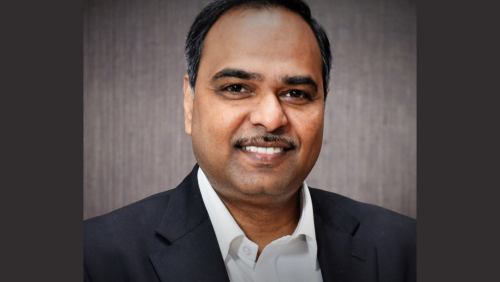
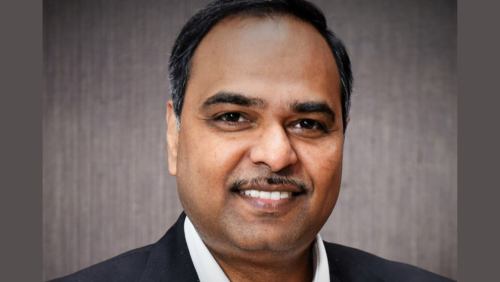
Having previously worked with Mahindra and Maruti, Jyoti Malhotra joined Volvo nearly a decade ago, drawn by the startup-like energy of a premium car company that offered scope for real impact.
He also quoted data from the Centre of Science and Environment, according to which an unskilled worker loses anywhere between INR 7200-19,600 each year because of traffic, a skilled worker could lose up to INR 23,800, and a highly skilled worker could go beyond INR 30,000, pointing to the need for immediate decongestion in Bengaluru.
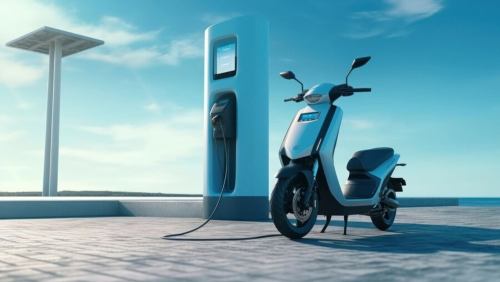
The company said through a press release that it plans to use the funds to expand its pan-India EV charging infrastructure and to invest in the in-house manufacturing of AC chargers and Light Electric Vehicle (LEV) DC chargers.
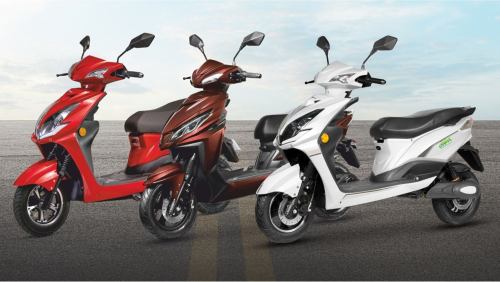
Founded in 2021, Zelio has an installed annual capacity of 72,000 units. Its portfolio includes a range of electric scooters and three-wheelers distributed through a network of more than 280 dealers across more than 20 states and union territories.
The India-made EV will be exported to the global market for over 100 countries, marking a drastic leap in the country's efforts to be a green mobility export nation with EV and battery manufacturing.
Zypp Electric, founded in 2017 by Akash Gupta, revolutionises last-mile deliveries with EV-as-a-Service. Its rental model, AI-driven fleet management, and ecosystem-building empower gig workers, cut emissions, and scale green logistics nationwide.
At the core of Exponent's offering is a seamlessly integrated ecosystem: the e^pack (battery), e^pump (charger), and e^plug (connector), all designed to work together.
Simple Energy offers India's longest-range electric scooter, the Simple One (248 km/charge), featuring smart tech, in-house manufacturing, and nationwide reach, aiming to transform EV adoption and mobility.
Cygni's offerings are impressive, featuring advanced lithium-ion technology, customisable designs, and a robust battery management system (BMS) that prioritises safety, thermal control, and longevity.
For now, e-scooters continue to dominate volume sales. But looking ahead, the market won't swing definitively one way. The real outcome lies in segmentation.
We are going to launch two cars in each of the three sub-segments of entry, mid and high-end EVs, which will help us maintain the 50 percent leadership in the EV segment, says Shailesh Chandra, MD, Tata Passenger Electric Mobility
India's clean-tech and EV investment landscape is rapidly evolving, from strong early stage funding to a deep focus on commercial scale and infrastructure, backed by robust frameworks, investors are not financing end-to-end solutions.
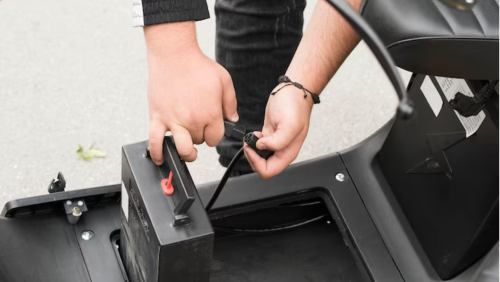
Battery swapping is exactly what it sounds like. Instead of plugging in your vehicle to charge for hours, you simply swap your depleted battery for a fully charged one at a station. This idea isn't new, but its appeal is growing rapidly in semi-urban and rural areas where consumers lack access to dedicated home chargers or stable electricity connections.
What's clear across the board is that EV adoption isn't just about the vehicle anymore. It's about the ecosystem around it; charging access, battery safety, service reliability, affordability, and confidence in the technology.
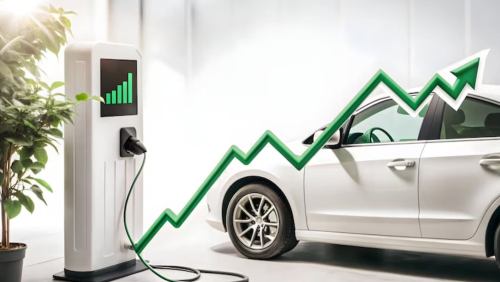
India's transition to sustainable mobility is gaining momentum, driven by consistent year-on-year growth in electric vehicle sales. As the infrastructure ecosystem matures, consumers are embracing EVs with increasing confidence, paving the way for a cleaner transportation future.
Retail investors led the IPO with a 1.78 times subscription, with Qualified Institutional Buyers (QIBs) at a 1.70 times subscription. Only 66 per cent of the allotted portion was subscribed by Non-Institutional Buyers (NIBs). The IPO overall was subscribed by 1.43 times.
This fiscal year, utility vehicles (UVs) will drive volume growth, aided by new launches, easing interest rates, rising compressed natural gas (CNG) adoption, and rural tailwinds.
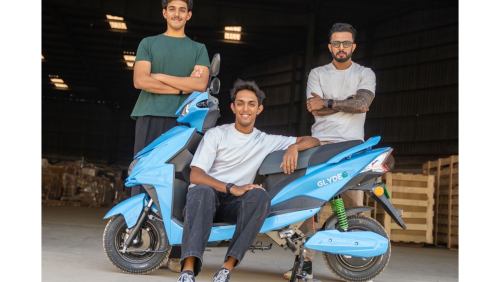
Public transport networks do a commendable job of moving millions, yet the challenge of first and last-mile connectivity remains unsolved. Enter Glyde, a bold new player in urban mobility that's setting out to revolutionize the way India moves—starting with Mumbai.
From mastering the high-speed intensity of Formula One to navigating the complexities of the mobility business, Karthikeyan's journey reflects a rare blend of speed, precision, and strategic foresight. DriveX stands at the crossroads of technology and mobility, poised to redefine India's pre-owned two-wheeler market — with Karthikeyan firmly at the wheel.
According to Wardwizard, unlike traditional fleet operations, the company aims to introduce first of its first-of-its-kind 'holistic' approach to fleet management to ensure seamless operations for delivery partners.
Bajaj Auto's platform, which integrates premium features while reducing production costs by 45 per cent, promises to further strengthen its margins. TVS, too, has enhanced its market presence, increasing its touchpoints to nearly 4,000 outlets alongside its 250 EV-specific stores.