SaaS In 2022: The Wins And the Woes
As SaaS companies step into another year of supply chain troubles, geopolitical tensions, and continued inflationary pressure, customer retention should remain at the core.

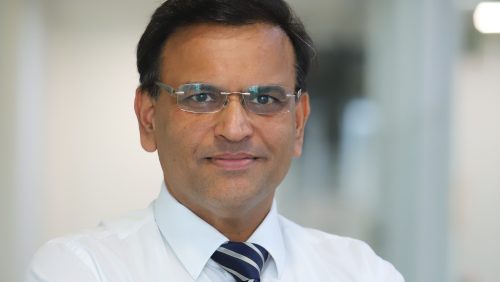
Kushal Nahata (CEO & Co-founder, FarEye)
Opinions expressed by Entrepreneur contributors are their own.
You're reading Entrepreneur India, an international franchise of Entrepreneur Media.
Every year software-as-a-service (SaaS) products move the world. The year 2022 was no different. From logistics to healthcare to manufacturing, companies are using SaaS for communications, project management, sales and marketing and a host of other things.
The use of SaaS-based products is up by 18 per cent from last year with companies worldwide using nearly 130 SaaS apps on average: this despite a slowdown in adoption rates as companies worldwide look to trim their expenditures.
Not a smooth ride for SaaS setups
However, economic slowdown and recessionary fears have had their impact on global SaaS financial growth. Valuations have dropped. Funding has been considerably reduced. Global VC funding fell 33 per cent quarter-over-quarter in Q3 2022 and was down by $90 billion, a slide of 53 per cent year-on-year.
With VCs pressurising SaaS enterprises to increase their cash runway, companies have taken to cost-cutting with some of the biggest names in the SaaS industry announcing job cuts and hiring freezes.
Every year software-as-a-service (SaaS) products move the world. The year 2022 was no different. From logistics to healthcare to manufacturing, companies are using SaaS for communications, project management, sales and marketing and a host of other things.
The use of SaaS-based products is up by 18 per cent from last year with companies worldwide using nearly 130 SaaS apps on average: this despite a slowdown in adoption rates as companies worldwide look to trim their expenditures.
Not a smooth ride for SaaS setups
However, economic slowdown and recessionary fears have had their impact on global SaaS financial growth. Valuations have dropped. Funding has been considerably reduced. Global VC funding fell 33 per cent quarter-over-quarter in Q3 2022 and was down by $90 billion, a slide of 53 per cent year-on-year.
With VCs pressurising SaaS enterprises to increase their cash runway, companies have taken to cost-cutting with some of the biggest names in the SaaS industry announcing job cuts and hiring freezes.
Efficiency: Indian SaaS companies are more efficient than their global counterparts. They can scale their business with much less capital. The funding that these SaaS companies receive lasts much longer as they approach the market, mostly with a final version of their product rather than a minimal viable product. Their sales efficiency is much higher even after touching $100 million ARR.
Faster builds: SaaS companies in India build products faster. In the US, companies wait for a higher ARR for their product before launching a second one. In India, companies start focusing on other products even before their first one has touched $5 million ARR.
Wide range of products: Having a multi-product strategy has proved beneficial for SaaS companies in the country. The report highlights that SaaS companies have started small and then expanded to serve and own an entire domain, or have broadened their product offerings and expanded their business.
What does 2023 look like?
The International Monetary Fund (IMF) predicts turbulent times for the global economy in 2023 with its global growth forecast dipping from 3.2 per cent in 2022 to 2.7 per cent in 2023. This means that SaaS companies will need to adapt and innovate to weather the economic storm next year. They’ll need to stand out as a:
Cost-effective solution that delivers savings for their customers. SaaS companies should continue to deliver competitive advantages that range from saving upfront costs on purchase, installation, maintenance and upgrades.
Optimise processes and deliver operational efficiency by improving workflows. SaaS companies must continue to simplify complex data and make it actionable through business intelligence.
They must deliver on the promise of ease in scalability, giving their customers the bandwidth to expand their business even during tough times.
In Conclusion
A Bain & Co. report says that a 5 per cent improvement in customer retention can generate up to a 95 per cent improvement in overall revenue. With funding shrinking and VCs demanding that SaaS companies accumulate longer cash runways, it’s a percentage that SaaS companies must strive for.
As SaaS companies step into another year of supply chain troubles, geopolitical tensions, and continued inflationary pressure, customer retention should remain at the core of their business strategy.
Every year software-as-a-service (SaaS) products move the world. The year 2022 was no different. From logistics to healthcare to manufacturing, companies are using SaaS for communications, project management, sales and marketing and a host of other things.
The use of SaaS-based products is up by 18 per cent from last year with companies worldwide using nearly 130 SaaS apps on average: this despite a slowdown in adoption rates as companies worldwide look to trim their expenditures.
Not a smooth ride for SaaS setups

Kushal Nahata • CEO and co-founder, FarEye
Kushal Nahata is the co-founder and CEO of FarEye, whose cutting edge logistics technology stack... Read more