How These Global Companies Are Helping Indian SMEs Grow
An industrial conglomerate is aiming to transform the operations of Indian factories using Internet of Things
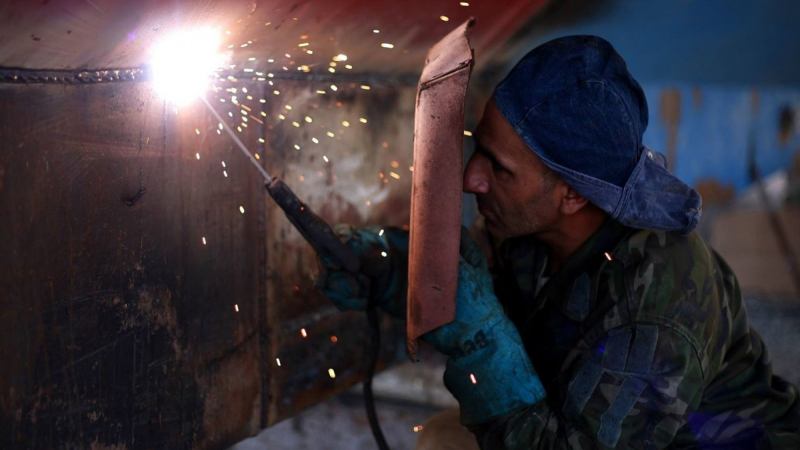
Pixabay
Opinions expressed by Entrepreneur contributors are their own.
You're reading Entrepreneur India, an international franchise of Entrepreneur Media.
India’s economic growth is considerably dependent on the MSME sector as it contributes a major share to the country’s GDP and generates maximum employment.
But, the sector often faces crippling problems like difficulty in using technology, regulatory burdens, lack of finances that prevent the overall development.
Things are, however, changing slowly and Indian SMEs are becoming tech-driven. But, the adoption is slow. Experts are of the opinion that Indian start-ups in this sector are registering less growth compared to those in other parts of the world.
In the fast-evolving business environment today, a host of international companies are coming in to address the core needs of the sector. From providing low-cost manufacturing equipment to making their operations digitized, global companies are helping Indian SMEs in every possible way.
Entrepreneur India takes a look at the top initiatives by international companies in resolving the persistent challenges of the sector.
Helping India Manufacturing Units with Internet of Things (IoT)
Global industrial conglomerate Siemens has opened its first digitized factory in India to sell a range of plant automation equipment and software at a low cost to Indian manufacturing units.
Located on the outskirts of Mumbai, the factory is a switchgear manufacturing unit. It provides Indian SMEs a comprehensive range of hardware and software products that enable integration of data related to development, production, and supplies.
The company is aiming to transform the operations of Indian factories using Internet of Things (IoT), thereby making them tech-driven, “smart factories’.
It is also encouraging SMBs to work on digitally saved data to reduce the use of paper and time.
Training Rural People to Become Micro-entrepreneurs
Known as world’s largest ophthalmic lens-maker, Essilor is training young individuals from the rural pockets of India. The France-based eye-care brand has set-up around 3,000 start-ups to open eye-care units.
The company aims to open 10,000 such units and is in talks to ink a merger deal with noted eye-wear brand Luxottica, best known for its Ray-Ban brand in India.
The merged entity will promote micro-entrepreneurship with increasing distribution channels across states.
In an interview with Entrepreneur India, the Director, and CEO of Essilor, Hubert Sagnieres said, “We are training young individuals in the rural areas of the country to become micro-entrepreneurs and raise eye-care awareness.”
Helping Indian SMEs Become GST Compliant Through Accounting
With an aim to help millions of users to be Goods and Services Tax (GST) compliant, the Intuit QuickBooks has introduced a GST-version of online accounting product.
Identifying an opportunity just after the implementation of GST in the country, the company is extending a helping hand to the most important sector of Indian economy, the MSME.
The venture is specifically targeting small businesses. From tracking cash flow to creating invoices to auto-categorizing incomes or expenses, QuickBooks is guiding industry players in online accounting on a GST-ready platform.
It is helping small industries comply with GST norms from a laptop or even from a mobile device easily.
The company has recently claimed that it is working for over a year to make their software GST-ready. It is reportedly arranging training sessions for its users on the ways to comply with GST through webinars and Facebook chat sessions with India’s top accountants.
India’s economic growth is considerably dependent on the MSME sector as it contributes a major share to the country’s GDP and generates maximum employment.
But, the sector often faces crippling problems like difficulty in using technology, regulatory burdens, lack of finances that prevent the overall development.
Things are, however, changing slowly and Indian SMEs are becoming tech-driven. But, the adoption is slow. Experts are of the opinion that Indian start-ups in this sector are registering less growth compared to those in other parts of the world.

Komal Nathani • Former Correspondent, Entrepreneur Asia Pacific
A firm believer of hard work and patience. Love to cover stories that hold a... Read more