DaMENSCH Raises INR 122.5 Crore in Series B
Funds will be used to make investments in technology, strengthen and diversify the product portfolio

Opinions expressed by Entrepreneur contributors are their own.
You're reading Entrepreneur India, an international franchise of Entrepreneur Media.
DaMENSCH, a men’s lifestyle brand, has raised $16.4 million (INR 122.5 crores) in Series B round led by A91 Partners. Existing investors Saama Capital, Matrix Partners and Whiteboard Capital also participated in the round.
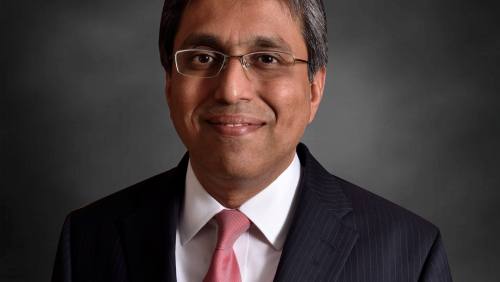
“Our products are addressing a big white space in the wardrobe of the modern man. We have clocked 100 crore ARR in 2021 making us the fastest D2C apparel brand to reach this milestone, on the back of our strong consumer proposition,” said Anurag Saboo, co- founder DaMENSCH.
“DaMENSCH has become the go-to brand for men looking for new age, digital first clothing brands that can combine comfort and style and gives them a chance to upgrade their products and brands. With a meaningful (40 per cent) set of consumers shopping multiple times a year, DaMENSCH has seen huge growth,” said Prasun Agarwal from A91 Partners.
Founded in 2018, DaMENSCH is a D2C brand that caters to the men’s premium essential wear fashion segment in India. DaMENSCH envisions to become a lifestyle brand that will become an integral part of every Indian’s wardrobe. The brand is committed to earth-friendly and slow fashion, as reflected in its packaging made of corn and paper which is 100 per centbiodegradable.By shifting from plastic to corn-husk or paper based packaging alone has resulted in DaMENSCH saving 10 lakh-plus units of single use plastic. Bamboo fabric, sustainable dyes, long lasting material, smartly sourced cotton from the Deccan Plateau are few other actions undertaken, said a statement.
DaMENSCH, a men’s lifestyle brand, has raised $16.4 million (INR 122.5 crores) in Series B round led by A91 Partners. Existing investors Saama Capital, Matrix Partners and Whiteboard Capital also participated in the round.
“Our products are addressing a big white space in the wardrobe of the modern man. We have clocked 100 crore ARR in 2021 making us the fastest D2C apparel brand to reach this milestone, on the back of our strong consumer proposition,” said Anurag Saboo, co- founder DaMENSCH.
“DaMENSCH has become the go-to brand for men looking for new age, digital first clothing brands that can combine comfort and style and gives them a chance to upgrade their products and brands. With a meaningful (40 per cent) set of consumers shopping multiple times a year, DaMENSCH has seen huge growth,” said Prasun Agarwal from A91 Partners.
Founded in 2018, DaMENSCH is a D2C brand that caters to the men’s premium essential wear fashion segment in India. DaMENSCH envisions to become a lifestyle brand that will become an integral part of every Indian’s wardrobe. The brand is committed to earth-friendly and slow fashion, as reflected in its packaging made of corn and paper which is 100 per centbiodegradable.By shifting from plastic to corn-husk or paper based packaging alone has resulted in DaMENSCH saving 10 lakh-plus units of single use plastic. Bamboo fabric, sustainable dyes, long lasting material, smartly sourced cotton from the Deccan Plateau are few other actions undertaken, said a statement.