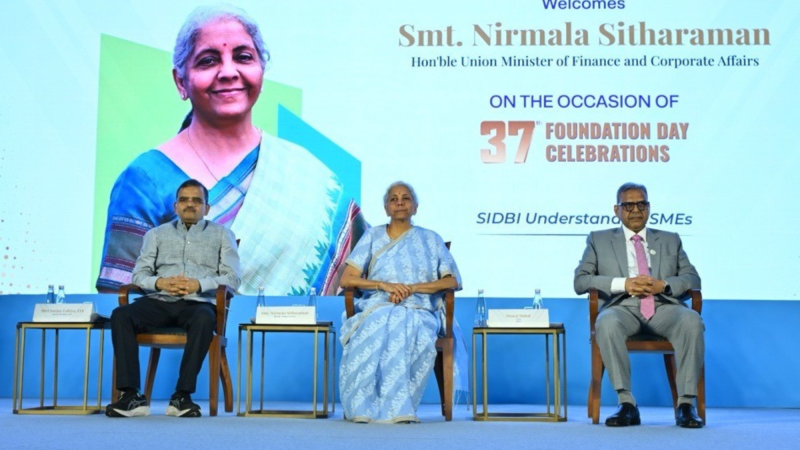
This milestone is anchored by the Small Industries Development Bank of India (SIDBI), under the guidance of the Department of Financial Services (DFS).
Roughly 70 per cent of MSMEs continue to prefer conventional methods of customer engagement, while only 13 per cent have adopted social media-based digital marketing
SIDBI will continue its role of deploying capital to SEBI-registered Alternative Investment Funds (AIFs), which subsequently invest in eligible startups.
The collaboration aims to promote sustainability by enabling MSMEs to transition towards energy-efficient technologies and climate-friendly business models.
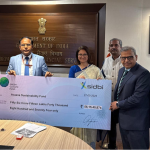
The fund is backed by Green Climate Fund (GCF), DFC, UKIDCF, SRI Fund, SIDBI, Azim Premji Trust, and corporate supporters, marking GCF's first direct investment in India.
IIMA's investment thesis revolves around ideas for solving larger problems in the deep-tech, inclusive-tech, and climate-tech spaces at the earliest stages of their journey.
The program aims to help micro, small, and medium enterprises (MSMEs) in India adopt low-emission and climate-resilient technologies, contributing to the country's Net Zero targets.
The Avaana Sustainability Fund Project is a step toward SIDBI's goal of using green and climate finance to significantly alter the world while promoting India's Nationally Determined Contributions.
This project marks the success of first project anchored by SIDBI including first secured for India in the past few years by an Indian Accredited Entity.
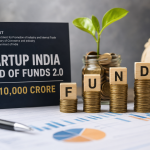
The Fund of Funds for Startups (FFS) is an INR 10,000 crore initiative launched under the Startup India Initiative of the Government of India in January 2015
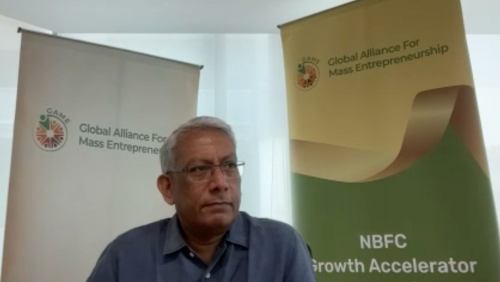
The first phase of the program involves design of a comprehensive, actionable, granular report with the programme structure, piloting strategy, and implementation plan for NGAP by GAME
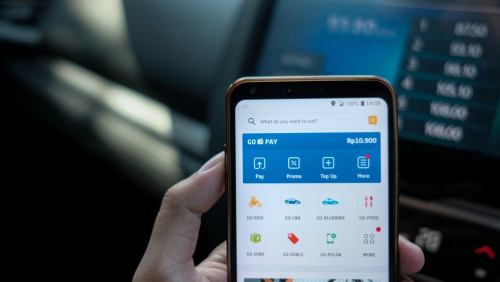
As per a joint report by Equifax and SIDBI, portfolio outstanding of fintech companies has grown by 92 per cent from Dec'18 to Dec'19, the highest growth rate compared to other lender types