Why the 50cc Moped Is Gaining Momentum in Urban Mobility
Once considered a niche or entry-level option, the 50cc moped is increasingly being re-evaluated as a smart solution for modern Indian cities.
Opinions expressed by Entrepreneur contributors are their own.
You're reading Entrepreneur India, an international franchise of Entrepreneur Media.
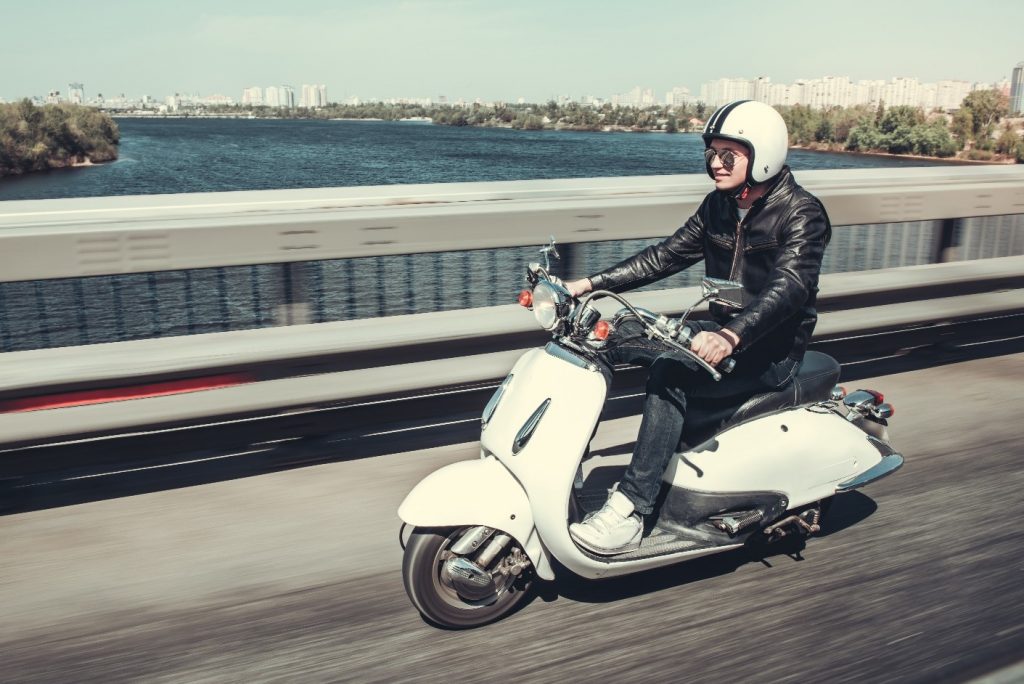
India’s two-wheeler market has long been shaped by practicality, affordability, and scale. As urban congestion increases and commuting patterns evolve, a quiet but notable shift is underway: the growing relevance of the 50cc moped. Once considered a niche or entry-level option, the 50cc moped is increasingly being re-evaluated as a smart solution for modern Indian cities, particularly among younger riders, gig-economy workers, and cost-conscious commuters.
This renewed interest is creating opportunities not only for domestic manufacturers but also for international brands with experience in lightweight urban mobility.
Urban Pressure Is Changing How Indians Commute
India’s rapid urbanisation has delivered economic growth, but it has also placed enormous strain on city infrastructure. Traffic congestion, limited parking, and rising fuel prices are forcing commuters to rethink their daily travel choices.
In this environment, the 50cc moped is emerging as a compelling alternative. Lightweight and easy to manoeuvre, it is well-suited to short urban journeys and dense traffic conditions. Compared with larger scooters or motorcycles, 50cc mopeds typically offer lower running costs, simpler maintenance, and a more accessible riding experience.
For students, first-time riders, and workers navigating busy city streets, the appeal is clear: reliable transport without unnecessary expense or complexity.
A Market Ready for Smaller, Simpler Two-Wheelers
Traditionally, India’s two-wheeler market has been dominated by 100cc to 125cc motorcycles and scooters. However, changing employment patterns and lifestyle needs are reshaping demand.
The rise of app-based delivery services, shared mobility platforms, and last-mile logistics has increased demand for lightweight, fuel-efficient vehicles that prioritise function over performance. In many of these use cases, the moped offers advantages that heavier alternatives cannot match.
Lower upfront costs and excellent fuel economy make mopeds attractive for riders who depend on their vehicle for daily income or frequent short-distance travel. As sustainability and congestion reduction become more prominent policy discussions, compact two-wheelers are also gaining favour from a planning and environmental perspective.
International Interest in India’s 50cc Opportunity
This evolving mobility landscape has begun to attract attention from international two-wheeler brands, particularly those with experience in mature urban markets. Many European cities have long relied on 50cc mopeds as an accessible form of transport, and the same conditions that made them popular abroad — density, cost sensitivity, and short commutes — increasingly exist in Indian cities.
Rather than competing directly in higher-capacity segments, these brands are recognising the potential of introducing refined, affordable 50cc models designed specifically for urban use.
How Direct Bikes Is Entering the Indian Market
One such company is Direct Bikes, a British scooter retailer that built its business around the 50cc moped. In the UK, Direct Bikes became known for simplifying scooter ownership by selling directly to customers online and focusing on affordability and convenience.
That experience is now shaping its approach to India. Instead of positioning itself in the premium or performance segment, Direct Bikes is aligning with everyday mobility needs, viewing mopeds as a practical solution for Indian urban riders.
The company’s expansion strategy places strong emphasis on localisation. Consumer expectations, regulatory requirements, and service infrastructure in India differ significantly from those in the UK, and Direct Bikes is approaching the market with partnerships, compliance planning, and after-sales support at the forefront.
Localisation Will Be the Deciding Factor
Success in India will depend on more than product availability. Trust, service access, and spare-parts reliability play a decisive role in purchasing decisions, particularly for first-time two-wheeler owners.
For Direct Bikes, this means adapting pricing strategies to local conditions, ensuring compliance with Indian safety and emissions standards, and developing service networks that support long-term ownership. While the company’s UK experience provides a strong foundation, effective localisation will ultimately determine its impact in the Indian market.
The Road Ahead for the Moped in India
The growing interest in mopeds reflects broader changes in how Indians view urban mobility. As cities become more congested and consumers prioritise efficiency and value, smaller-capacity two-wheelers are likely to gain further relevance.
For entrepreneurs and industry observers, the lesson is clear: growth does not always come from bigger engines or higher specifications. Sometimes, it comes from recognising a simple solution and delivering it at the right moment.
As companies like Direct Bikes enter the market, the moped may begin to shed its old image and take on a new role, not as a compromise, but as a smart response to India’s changing urban realities.
India’s two-wheeler market has long been shaped by practicality, affordability, and scale. As urban congestion increases and commuting patterns evolve, a quiet but notable shift is underway: the growing relevance of the 50cc moped. Once considered a niche or entry-level option, the 50cc moped is increasingly being re-evaluated as a smart solution for modern Indian cities, particularly among younger riders, gig-economy workers, and cost-conscious commuters.
This renewed interest is creating opportunities not only for domestic manufacturers but also for international brands with experience in lightweight urban mobility.
Urban Pressure Is Changing How Indians Commute
Writes on private capital, deal structures, and the strategic thinking behind mid-market investments.