India Has to Scale Up Semiconductors to Be a Serious Global Player: IBM CEO Arvind Krishna
IBM CEO Arvind Krishna says India must scale up semiconductors, noting its chip manufacturing is only about USD 3B; IBM spends USD 3B a year in India.
You're reading Entrepreneur India, an international franchise of Entrepreneur Media.
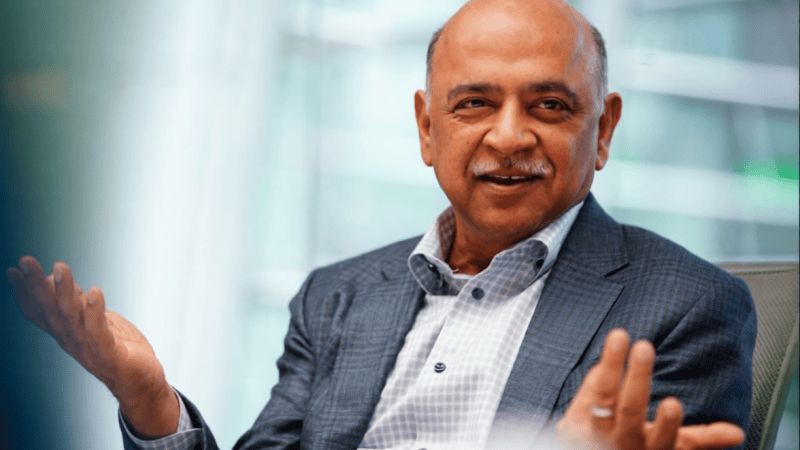
IBM Chairman and CEO Arvind Krishna has said India must scale up its semiconductor capabilities to become a credible global supplier. Speaking in New Delhi, he put India’s semiconductor manufacturing contribution at only about USD 3 billion.
He identified chip design and assembly as areas suited to the country’s workforce, and advised the government to scale existing initiatives, particularly in semiconductors and AI deployment, before taking on additional technology bets.
IBM spends about USD 3 billion a year in India. It plans to invest USD 10 billion in quantum computing globally over five years and expects India to receive a share. It will install a quantum computer in Amaravati in early 2027. Krishna said IBM is in talks on at least two more major projects in India, which he compared with the Amaravati Quantum Valley.
Krishna said AI alone could add about USD 500 billion to India’s GDP by the end of the decade. He also said company-sponsored visa movements will decline significantly as immigration rules tighten, and that AI could displace 10% to 20% of jobs over the next decade. About 80% of IBM’s hiring in India is in STEM roles, and the company is expanding chip design, software, testing, site reliability engineering, and AI skills. Krishna also said clients setting up data centres in India had not faced difficulties obtaining permissions for chips and semiconductors.
“AI deployment for global companies could be something that comes out of India,” said Arvind Krishna, Chairman and CEO, IBM.