After a Record Fundraising Run, India’s IPO Market Sees a Brief Pause
India’s IPO market pauses after a strong September-October run. Is the mid-November lull temporary, or does it signal a shift in fundraising momentum?

Freepik
Opinions expressed by Entrepreneur contributors are their own.
You're reading Entrepreneur India, an international franchise of Entrepreneur Media.
In the primary market of India, a strong fundraising event occurred in September and October, but in November, things seemed to have slowed down a bit.
Companies raised almost Rs. 84,000 crore through IPOs between September and October time period. However, IPO activity has slowed in November, raising questions among experts about whether this is a temporary pause or the beginning of a longer-term slowdown in fundraising.
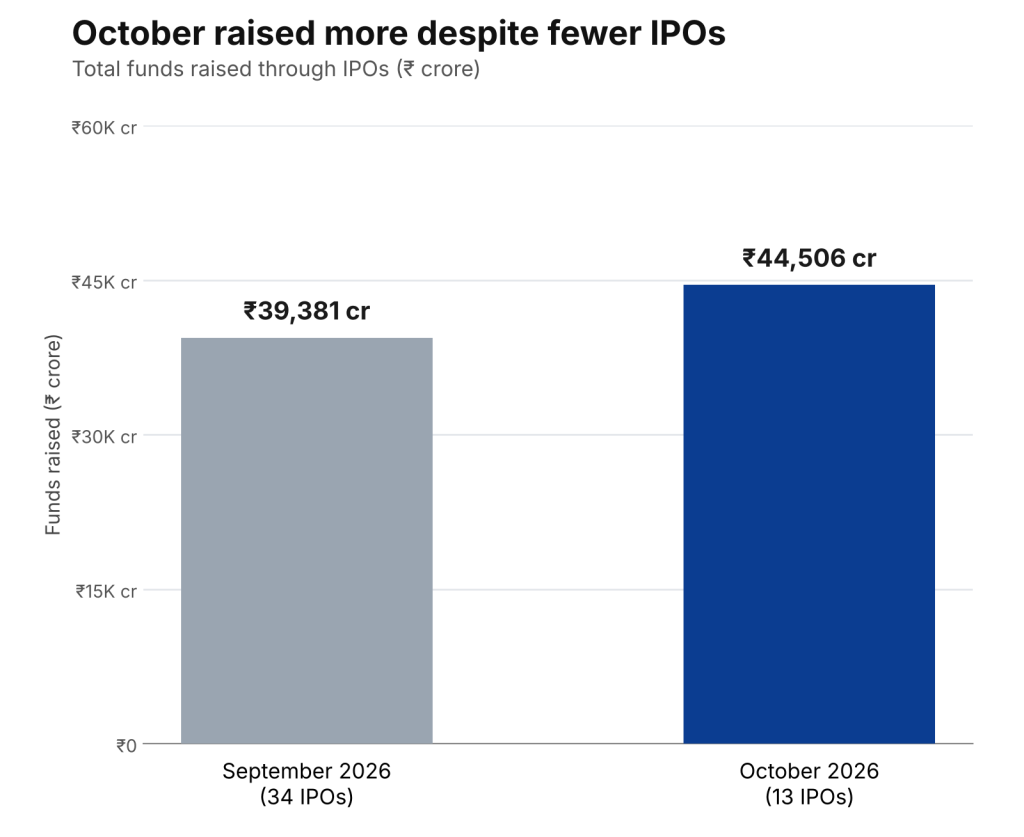
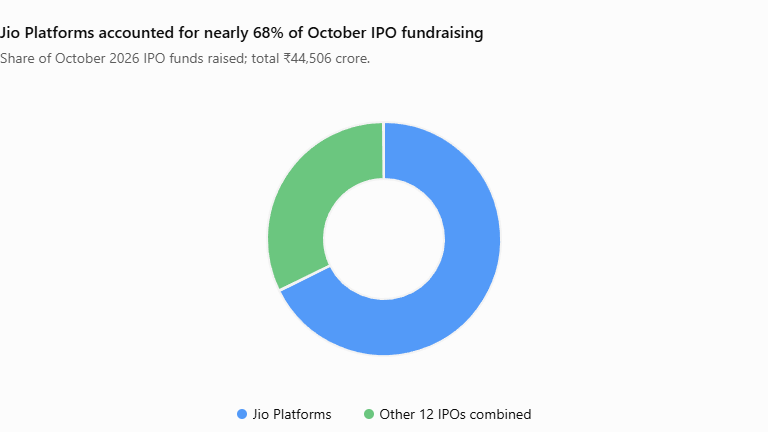
In September, 34 companies raised Rs. 39,381 crore via IPOs and in October, 13 firms were able to use IPOs to raise Rs.44,506 crore. Jio Platforms which secured Rs. 30,188 crore through public issue of shares formed almost 68% of all the capital accumulated through IPOs. Similarly, the National Stock Exchange was able to raise Rs. 22,563 crore in September.
In this context, the absence of new IPOs in the first half of November is a striking contrast to the former months. However, the number of SME issues has been on the rise but there were no new mainboard IPOs launched.
The silent phase, however, should not be mistaken with investors’ lack of interest. The holidays and the large IPOs initiated by various companies seem to have influenced the issuance of IPOs by other firms. As mentioned by some market participants, there were issuers who decided to wait because they did not want to compete for cash with one of the most successful IPOs conducted by Jio Platforms.
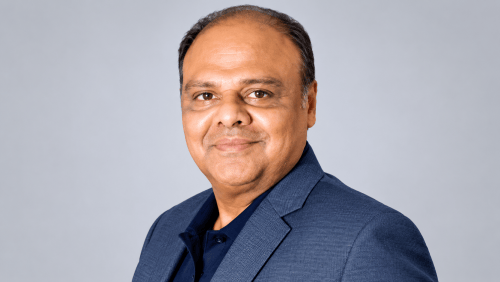
Adding a regulatory dimension to the slowdown, TR Prashanth Kumar, Whole Time Director and CEO of Bajaj Capital Securities Limited, says, “The slowdown in November follows a significant surge in IPO activity towards the end of September, partly driven by the regulatory impact of the extension in the validity of regulatory approvals. This resulted in a concentration of issuances during that period.”
Despite the slowdown in launches, the pipeline of companies seeking to access public markets remains substantial. According to several reports, 123 companies had received SEBI approval for their IPOs over the preceding 12 months and were waiting for a favourable market window.
Some of the prominent names include renewable energy player Avaada Electro, hospitality company Oravel Stays (OYO), quick-commerce platform Zepto and construction materials company Infra.Market.
More recently, fintech company Razorpay, non-banking financial company Veritas Finance and defence technology firm Sagar Defence Engineering have also received regulatory clearance. However, regulatory approval does not automatically translate into an immediate launch, as companies must also consider prevailing market conditions, investor demand and the valuations they can command.
The timing of offerings has become particularly important when large issues enter the market. Jio Platforms’ Rs. 30,188-crore IPO demonstrated the scale of capital that a single offering can mobilise. According to investment bankers, several companies did not want their issues to coincide with the telecom major’s offering, given the possibility of investor liquidity being concentrated in one large issue.
The primary market is now preparing for a return of activity. Crystal Crop Protection is scheduled to open its Rs. 456-crore IPO on November 18, while Mahanadi Coalfields and Watrana Rentals are set to open their offerings on November 19. Mahanadi Coalfields is looking to raise approximately Rs. 8,981 crore through an offer for sale, while Watrana Rentals is targeting approximately Rs.120 crore through its SME issue. Together, the three offerings are expected to mobilise more than Rs.9,557 crore.
Not only is the number of IPOs launched important to understand the appetite of investors, but the timing of those deals should also be taken into account. Indicators of demand for the IPOs can be learned from the results of subscription from different investor groups as well as from the results of the newly listed companies.
Investors are increasingly required to assess IPOs on the basis of business fundamentals, earnings visibility, valuations and growth prospects rather than relying solely on listing-day gains. The performance of recently listed companies could also influence the appetite for upcoming offerings. While retail investors often consider listing gains and long-term growth potential, institutional investors tend to evaluate issue pricing against comparable listed companies and broader market conditions.
The next few months will be crucial for determining whether the slowdown in November was only a temporary halt or a sign of a turn in the primary market. There are still many companies seeking to enter the market in the right conditions, which means many fundraising opportunities are available. Nevertheless, the level of activity will depend on the market’s stability, investors’ liquidity and companies meeting their valuations.
Investment banks and corporations might pay more attention to correctly timing their offerings and pricing them now that they have a chance of entering the public markets. The status of India’s IPO pipeline is strong, but upcoming funding rounds could be determined not so much by how many companies wish to list but by how well they can engage investors.
In the primary market of India, a strong fundraising event occurred in September and October, but in November, things seemed to have slowed down a bit.
Companies raised almost Rs. 84,000 crore through IPOs between September and October time period. However, IPO activity has slowed in November, raising questions among experts about whether this is a temporary pause or the beginning of a longer-term slowdown in fundraising.
In September, 34 companies raised Rs. 39,381 crore via IPOs and in October, 13 firms were able to use IPOs to raise Rs.44,506 crore. Jio Platforms which secured Rs. 30,188 crore through public issue of shares formed almost 68% of all the capital accumulated through IPOs. Similarly, the National Stock Exchange was able to raise Rs. 22,563 crore in September.