India’s Next Big Idea Can Come from Anywhere, Say Startup Mentors
Startup founders mentoring Samsung Solve for Tomorrow say India’s next big idea can come from anywhere.
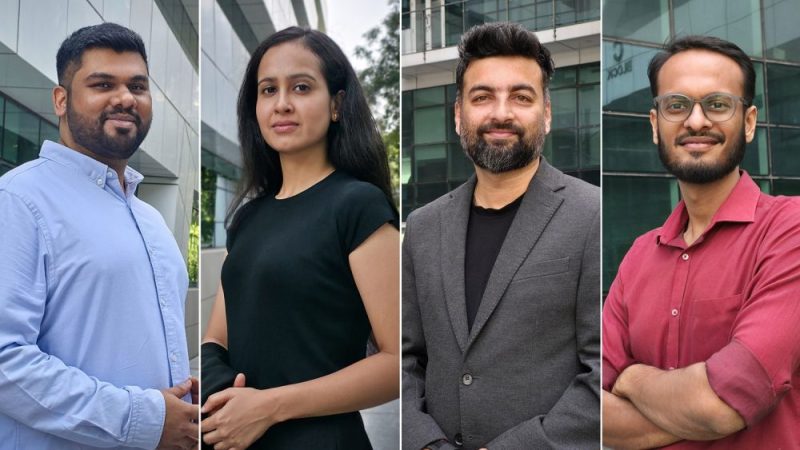
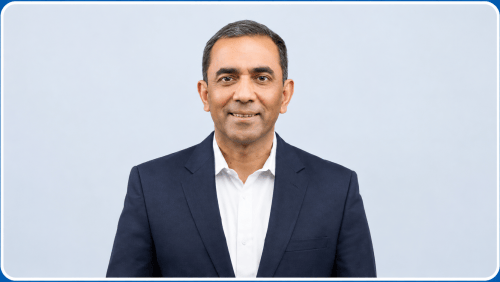
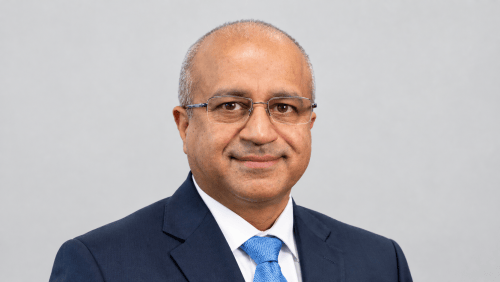
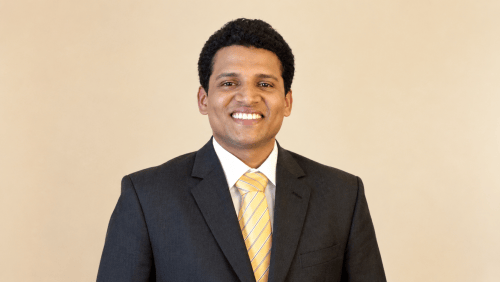
[from L-R] Robin Singh, Founder, Cluix; Samridhi Bhardwaj, Founder, Peecee; Dishant Mishra, Founder, Water Resources and Ankit Garg, Founder, Eemu Masale
You're reading Entrepreneur India, an international franchise of Entrepreneur Media.
Sixteen startup founders mentoring the finalists of Samsung Solve for Tomorrow 2026 say the next breakthrough may begin with a problem a young person sees every day, such as unsafe drinking water, stubble burning, communication barriers or gaps in local services. The mentors include Ankit Garg, Robin Singh, Samridhi Bhardwaj and Dishant Mishra, who see wider access to technology and information helping ideas emerge from smaller cities and communities across India.
According to Singh, founder of water-quality intelligence startup Cluix, half of the ideas in this year’s cohort came from Tier 2 and Tier 3 cities, and exposure to technology has improved how those ideas are applied. He pointed to a team he previously mentored from rural Bihar, which developed a filtration system to address arsenic contamination in water, won the challenge and went on to commercialise the product. This year, Singh is mentoring SignBridge AI, a team building tools to help people with disabilities communicate more independently.
Garg, founder of clean-label food brand EemuMasale, said local problems can have national relevance. A team working on stubble burning has developed a prototype that could also address nutrition in India by offering alternative protein options.
The founders see mentorship as a way to help young innovators move from identifying a problem to building and testing a solution. Samsung Solve for Tomorrow brings finalists together with startup founders, academia and industry for guidance and opportunities to develop their ideas. The programme is Samsung’s global innovation and education initiative for young people, and its 2026 edition marks its fifth year in India.
“They really want to solve a problem that is actually hurting someone somewhere. Even if the market is looking small, these young innovators are attempting it, they are going for it, and they are solving those problems. Creating a market is going to be the second step, and they are not focused on the second step. Perhaps that is the refreshing change that I have observed with this year’s cohort,” said Dishant Mishra, Founder, Water Resources (IIT Delhi-incubated).
“Students across India, including those in Tier 2 and Tier 3 cities, have access to technology and the kind of exposure that many of their peers and seniors did not have. So, I don’t think geography is a hindrance anymore. Any innovative solution can come from any part of India,” said Samridhi Bhardwaj, a women’s health founder and mentor.
“They came from rural Bihar and, essentially, they could see that there was no solution available in the field. At a very young age, when they were just students, they developed a filtration system. That filtration system won the challenge, and now they have gone on to commercialise the product,” said Robin Singh, Founder, Cluix.
Sixteen startup founders mentoring the finalists of Samsung Solve for Tomorrow 2026 say the next breakthrough may begin with a problem a young person sees every day, such as unsafe drinking water, stubble burning, communication barriers or gaps in local services. The mentors include Ankit Garg, Robin Singh, Samridhi Bhardwaj and Dishant Mishra, who see wider access to technology and information helping ideas emerge from smaller cities and communities across India.
According to Singh, founder of water-quality intelligence startup Cluix, half of the ideas in this year’s cohort came from Tier 2 and Tier 3 cities, and exposure to technology has improved how those ideas are applied. He pointed to a team he previously mentored from rural Bihar, which developed a filtration system to address arsenic contamination in water, won the challenge and went on to commercialise the product. This year, Singh is mentoring SignBridge AI, a team building tools to help people with disabilities communicate more independently.
Garg, founder of clean-label food brand EemuMasale, said local problems can have national relevance. A team working on stubble burning has developed a prototype that could also address nutrition in India by offering alternative protein options.

Entrepreneur Staff • Editor
Entrepreneur Staff
For more than 30 years, Entrepreneur has set the course for success for millions of... Read more