10 Years of Netflix: How Netflix Rewired India’s Content Economy in a Decade
How a streaming platform changed India’s viewing habits, creative confidence, and cultural conversations.
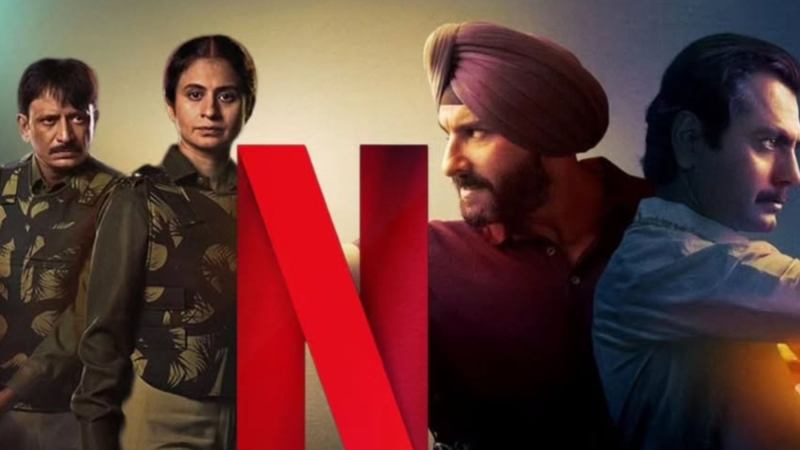
Picture credit: Instagram
10 Years Of Netflix
Opinions expressed by Entrepreneur contributors are their own.
You're reading Entrepreneur India, an international franchise of Entrepreneur Media.
Netflix’s quiet entry into the Indian market, 10 years ago, lacked any fanfare but turned out to be one of the most impactful platforms on countless millions of Indian’s cultural experiences. Thanks to Netflix, Indian’s not only changed the types of shows they have enjoyed for many years, but in addition, it has transformed the way they watch and what stories they consider deserving of telling.
For many Indian viewers, Netflix is not merely an app; it is also a powerful habit to use regularly; in fact, Netflix has become a dependable means of entertainment late at night. Since it has come on board, viewers have been able to enjoy watching many stories without feeling inhibited by reading subtitles and “waiting for Friday” box office figures to validate those same stories before they start to feel comfortable about enjoying them.
The Birth of Streaming Being More Than Just a Convenience
Prior to Netflix, Indian’s viewed digital content as something related to television and cinema. While digital streaming has created convenience for users through technology, it never created a feeling of dressing up because you went out to watch on a big screen. From the very first day Netflix arrived on the market, it was built around the idea that it would deliver top-quality storytelling without compromising on the production values of this storytelling.
The debut of Sacred Games was more than an announcement; it was a forceful proclamation of Netflix’s entry into the Indian market. Sacred Games showcased Netflix’s ability to create a visually stunning series with no fear of portraying an accurate representation of India. Following closely behind were Delhi Crime and Lust Stories, both series that received considerable international attention yet remained firmly rooted in their Indian origins while opening the door to new conversations previously ignored by mainstream Indian cinema.
Ted Sarandos (CEO of Netflix) frequently discusses how both the scalability and the quality of our service must coexist. As he puts it, “We have expanded our pricing and product options to make Netflix accessible to more people, without moving away from being premium.” That commitment to accessibility without dilution would go on to define Netflix’s India journey.
A Thali of Stories, Not a Fixed Menu
Netflix India has demonstrated that one of the company’s most significant advantages is that it does not attempt to create a monolithic taste profile for Indian viewers. Instead, it embraced the beautiful chaos of Indian preferences.
As Monika Shergill, Vice President – Content, Netflix India, memorably described it, “We make premium soaps and movies, and the biggest cinemas stream on Netflix. We will remain the home of the big and bold; we are also the home of relatable shows such as The Great Indian Kapil Show, Single Papa, and The Ba***ds of Bollywood. We are programming for the broadest audiences.”
Reaffirming the creative bar, Monika said: “For us the benchmark is as true as it was when we started. We have not left that big cinematic benchmark that Sacred Games or Delhi Crime established. We have added more relatable wide-audience programming, casual entertainment.”
The Rise of the ‘Relatable Hero’
One of Netflix India’s most significant contributions has been redefining the Indian protagonist. The hero is no longer untouchable; numerous characters, such as conflicted entrepreneurs (Masaba Masaba), flawed romantics (Mismatched), anxious students (Kota Factory), or everyday citizens dealing with extraordinary pressure, are now the norm.
According to Monika, Netflix’s approach to programming is like a thali – offering something to match everyone’s tastes. It is true that Netflix has created a platform for both prestige dramas and comfort viewing, and in doing so has created an entirely new hierarchy of storytelling between serious and light-hearted.
As a result of this shift in shows, there has been a shift in audience behaviour. The experience of watching has become a more personal experience, as stories have moved toward being more intimate and less performative, making it easier for audiences to connect with the stories.
Netflix has also transformed the way in which Indian stories are viewed around the world. There is now a greater level of confidence among creators that their most unique local stories can be accessible and understood by global audiences without needing to be translated or apologised for.
As Bela Bajaria, Chief Content Officer at Netflix, pointed out, “If our ambition is to entertain the world, you definitely cannot entertain the world without having incredible local stories from India.”
Listening, adapting, and evolving became core to Netflix’s India playbook.
Rewriting the Business of Content
In my opinion, the impact of Netflix is greater than just the final product in front of the screen; it’s the way in which the company has changed the way we think about creating content. For example, when working on a television series, such as “Little Things,” “Kota Factory,” or “Jamtara,” Netflix has given the writers the time and space to build the world of the characters; the directors to take the time they need to create the right tone for the show; and the opportunity for up-and-coming filmmakers to create something new and fresh without having to worry about those opening weekend numbers.
The success of these shows and movies has shown us that people are willing to show up to see sincerity, that Netflix not only listens to the data but also the culture of the time, the changing preferences of their audiences, and the emotional truths behind those audience members.
A Decade That Changed Us
Netflix is more than just an application for many people living in India. Many people have experienced it throughout different stages of their lives; they have watched Netflix shows during lonely times, binge-watched with their family, relaxed after work, and connected with friends during quiet times. Netflix has not only provided people with shows, but also given them permission to enjoy the type of shows they want to watch without having to feel judged. And perhaps that’s Netflix’s biggest legacy in India so far.
Netflix in India: A Decade in Moments (2016–2026)
* Netflix launched in India in 2016 without any fanfare and promised to deliver premium content worldwide through unlimited borders.
* The first breakout series from Netflix India was Sacred Games, which debuted in 2018 and completely changed the landscape of Indian long-form content on a global stage.
* In 2019, Delhi Crime won the International Emmy for Best Drama Series, marking the beginning of a new era of Indian content on the global stage.
* In 2020, Netflix greatly increased the number of films it produces in India, including Lust Stories, Bulbbul, and Gunjan Saxena, as well as adding Little Things and Masaba Masaba to its catalogue, thereby further expanding its relatable content universe in India.
* In 2021, Kota Factory became one of the most successful franchises to come from Netflix India, confirming that Netflix believes in the validity of ongoing, emotionally grounded youth-driven stories and will continue to propagate them.
* In 2022, Netflix made a more concerted effort to invest in regional content in Tamil, Telugu, Malayalam, and Punjabi and expand its cultural and linguistic footprint in India.
* By 2023, Non-fiction and reality genres began to gain in popularity with shows such as The Great Indian Kapil Show helping Netflix to fulfill its commitment to delivering a wider variety of genres to a wider range of audiences without sacrificing the standards of creativity that Netflix has set for itself.
* By 2024, Indian stories were still being told by Netflix but had begun to travel globally with films such as Amar Singh Chamkila, which again demonstrates Netflix’s model of developing local to global storytelling as an avenue to reach global audiences.
* A decade in, Netflix stands as a platform streaming Indian stories in 10+ languages, watched across 190+ countries, having fundamentally reshaped how India creates, consumes, and values content.
Netflix’s quiet entry into the Indian market, 10 years ago, lacked any fanfare but turned out to be one of the most impactful platforms on countless millions of Indian’s cultural experiences. Thanks to Netflix, Indian’s not only changed the types of shows they have enjoyed for many years, but in addition, it has transformed the way they watch and what stories they consider deserving of telling.
For many Indian viewers, Netflix is not merely an app; it is also a powerful habit to use regularly; in fact, Netflix has become a dependable means of entertainment late at night. Since it has come on board, viewers have been able to enjoy watching many stories without feeling inhibited by reading subtitles and “waiting for Friday” box office figures to validate those same stories before they start to feel comfortable about enjoying them.
The Birth of Streaming Being More Than Just a Convenience